Chronic pain affects millions of people across Europe every single day. Whether it’s persistent back pain, stiff joints, post-workout soreness, migraines, or inflammation-related discomfort, many people are now searching for natural alternatives that may support overall wellbeing without the unwanted effects often associated with conventional pain management options.
One of the most talked-about natural wellness compounds in recent years is CBD — short for cannabidiol.
Derived from the hemp plant (Cannabis sativa), CBD has attracted worldwide attention because of its potential to support balance within the body without causing the intoxicating “high” associated with THC. Researchers continue to investigate how CBD interacts with the body’s internal systems, particularly the endocannabinoid system (ECS), and why so many users report positive experiences with sleep, recovery, stress management, and physical comfort.
But how exactly does CBD work? Can it really help support people dealing with chronic discomfort? And what should you know before trying it?
Let’s explore what current science and consumer experiences suggest.
What Is CBD?
CBD (cannabidiol) is one of more than 100 naturally occurring compounds known as cannabinoids found in hemp plants.
Unlike THC (tetrahydrocannabinol), CBD is non-intoxicating, meaning it does not produce psychoactive effects or alter perception in the way cannabis associated with recreational use might.
Because of this, CBD has become increasingly popular in wellness products across Europe, including oils, capsules, topical creams, water-soluble formulations, and hemp extracts.
Many consumers use CBD as part of their daily wellness routine to support:
- Physical recovery
- Relaxation and stress management
- Better sleep quality
- Joint and muscle comfort
- Overall balance and wellbeing
Scientific interest in CBD has grown rapidly over the last decade, with researchers exploring its interaction with inflammation pathways, neurotransmitters, immune signalling, and the endocannabinoid system.
Understanding the Endocannabinoid System (ECS)
To understand why CBD has gained so much attention, it helps to understand the body’s endocannabinoid system.
The ECS is a complex biological network involved in maintaining internal balance — also known as homeostasis. It plays a role in regulating numerous bodily functions, including:
- Pain perception
- Sleep cycles
- Mood and stress response
- Immune activity
- Appetite
- Inflammation
- Recovery processes
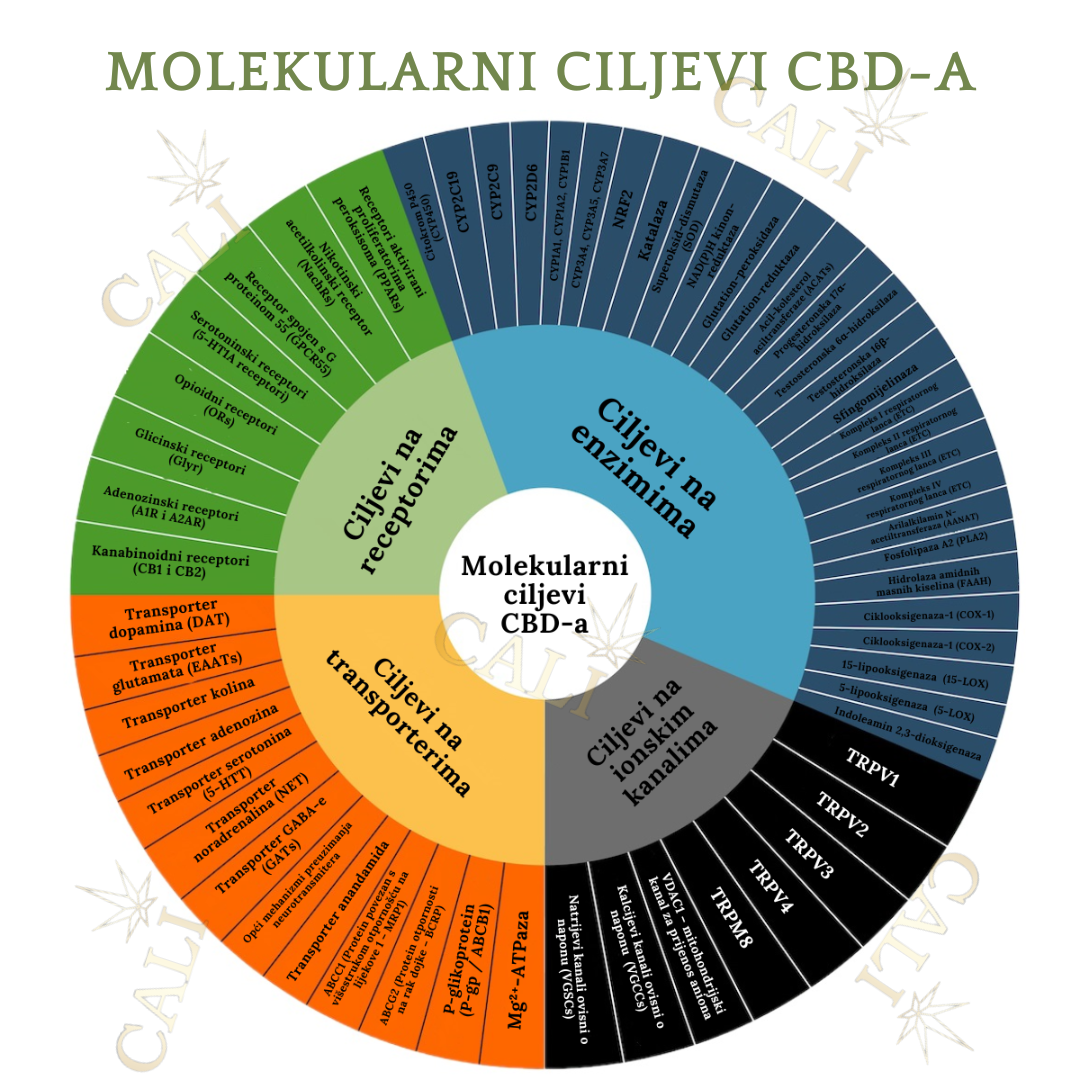
The body naturally produces its own cannabinoid-like compounds called endocannabinoids. These compounds interact with CB1 and CB2 receptors found throughout the body.
According to current research, CBD may indirectly support ECS function by influencing receptor activity and helping maintain balance within these systems.
Scientific overview of the ECS:
https://www.ncbi.nlm.nih.gov/pmc/articles/PMC5877694/
CBD and Chronic Pain: What Current Research Suggests
Chronic pain is generally defined as pain lasting longer than three months. It can affect quality of life, sleep, emotional wellbeing, mobility, and daily functioning.
Emerging research suggests that CBD may support physical comfort through several biological mechanisms, particularly those related to inflammation and nervous system signalling.
Importantly, CBD products are not intended to diagnose, treat, cure, or prevent disease. However, many researchers continue exploring CBD’s potential role in supporting overall wellness and comfort.
CBD and Inflammation
Inflammation is one of the body’s natural defence mechanisms. However, chronic inflammation may contribute to ongoing discomfort and reduced mobility.
Studies suggest that CBD may interact with CB2 receptors associated with immune function and inflammatory response.
Research discussing cannabinoids and inflammation:
https://www.ncbi.nlm.nih.gov/pmc/articles/PMC7023045/
Additional scientific review:
https://www.ncbi.nlm.nih.gov/pmc/articles/PMC2503660/
Because inflammation is linked to many forms of physical discomfort, this area has become one of the most researched aspects of CBD science.
CBD for Joint Comfort and Mobility
Joint stiffness and age-related discomfort are common reasons people explore hemp-derived wellness products.
Preliminary studies and anecdotal reports suggest that CBD may help support recovery, comfort, and overall mobility when incorporated into a consistent wellness routine.
One frequently referenced study published in the European Journal of Pain examined topical CBD application in animal models and observed reduced inflammation-related behaviours.
Study reference:
https://www.ncbi.nlm.nih.gov/pmc/articles/PMC4851925/
While human research is still developing, many consumers report that combining CBD with healthy lifestyle habits such as movement, hydration, sleep, and balanced nutrition may help support overall physical wellbeing.
CBD and Back Pain Support
Back pain is one of the most common physical complaints worldwide.
Long-term discomfort often affects not only the body, but also sleep quality, mood, stress levels, and productivity.
Research suggests CBD may support relaxation and recovery through its interaction with the ECS and neurotransmitter systems.
Some consumers report that CBD helps them:
- Feel more physically relaxed
- Support evening recovery
- Improve sleep quality
- Maintain daily comfort and mobility
Because sleep and stress levels are closely linked to pain perception, supporting relaxation may indirectly improve quality of life for some individuals.
Can CBD Help Support Better Sleep?
Sleep and pain are deeply connected.
Poor sleep may increase sensitivity to discomfort, while discomfort itself may make quality sleep more difficult.
Many users choose to incorporate CBD into their nighttime wellness routine because they report feeling calmer and more relaxed before bed.
Research on cannabinoids and sleep:
https://www.ncbi.nlm.nih.gov/pmc/articles/PMC8116407/
Some early evidence suggests CBD may support healthy sleep cycles and relaxation responses, although more large-scale human studies are needed.
Why Many People Prefer CBD Over Traditional Alternatives
One of the reasons CBD has become so popular is that it does not appear to carry the same dependency concerns associated with certain prescription pain medications.
According to current safety reviews, CBD is generally well tolerated by most healthy adults when used responsibly.
WHO report on CBD safety:
https://www.who.int/medicines/access/controlled-substances/5.2_CBD.pdf
Possible side effects may include:
- Dry mouth
- Drowsiness
- Digestive discomfort
- Appetite changes
As with any supplement, it’s important to consult a healthcare professional before use, especially if taking medications or managing a medical condition.
Choosing the Right Type of CBD
Not all CBD products are the same.
Full Spectrum CBD
Contains multiple cannabinoids, terpenes, flavonoids, and trace legal amounts of THC (within EU legal limits).
Many consumers prefer full spectrum products because of the “entourage effect” — the theory that hemp compounds may work better together than in isolation.
Research discussing the entourage effect:
https://www.fundacion-canna.es/en/cannabis-and-entourage-effect
Broad Spectrum CBD
Contains multiple hemp compounds but typically without detectable THC.
Often chosen by users who want a broader hemp profile while avoiding THC exposure.
CBD Isolate
Pure cannabidiol without additional cannabinoids or terpenes.
Popular among users who prefer flavour-neutral products or highly targeted formulations.
Water-Soluble CBD vs Traditional CBD Oil
Traditional CBD oils are fat-based, meaning they must pass through the digestive system before absorption.
Water-soluble CBD formulations are designed differently and may offer increased bioavailability, meaning the body may absorb them more efficiently.
Some consumers prefer water-soluble CBD because:
- It mixes easily into drinks
- It may absorb faster
- Smaller serving sizes may be sufficient
- It can fit easily into daily routines
However, effectiveness can vary between individuals depending on metabolism, body composition, and lifestyle factors.
How to Use CBD Responsibly
If you are new to CBD, experts commonly recommend the “start low and go slow” approach.
Helpful guidelines include:
- Begin with a small serving size
- Monitor how your body responds
- Increase gradually if needed
- Use consistently
- Track your sleep, mood, and comfort levels
Consistency often matters more than high serving sizes.
Many people incorporate CBD into:
- Morning wellness routines
- Post-workout recovery
- Evening relaxation habits
- Daily mindfulness practices
How Long Does CBD Take to Work?
CBD affects everyone differently.
Factors influencing your experience may include:
- Body weight
- Metabolism
- Product type
- Serving size
- Diet
- Consistency of use
- Individual ECS activity
Some users report noticing effects within 15–45 minutes with oils or water-soluble formulas, while others may require more consistent daily use over time.
Keeping a simple wellness journal may help identify what works best for your body.
Final Thoughts: Is CBD Worth Trying?
CBD has quickly become one of the most researched hemp-derived wellness compounds in the world.
While research is still evolving, current evidence and consumer experiences suggest CBD may support:
- Recovery
- Relaxation
- Sleep quality
- Everyday comfort
- Overall wellbeing
The key is choosing high-quality products from trusted manufacturers that provide transparent third-party laboratory testing.
As with any wellness product, results vary from person to person, and CBD works best when combined with healthy lifestyle habits.
If you are considering trying CBD for the first time, speak with a qualified healthcare professional — especially if you are pregnant, breastfeeding, taking medication, or managing a medical condition.
Your wellness journey is personal. Finding the right CBD product, routine, and serving size may take time — but for many people, that journey has become an important part of supporting a more balanced lifestyle.
Disclaimer
This article is intended for informational and educational purposes only and should not be considered medical advice. CBD products are not intended to diagnose, treat, cure, or prevent any disease. Always consult a qualified healthcare professional before using CBD products, especially if you are pregnant, breastfeeding, taking medication, or managing a medical condition.
Scientific References & Research
- Cannabinoids and Pain Modulation
https://www.ncbi.nlm.nih.gov/pmc/articles/PMC5569602/ - The Endocannabinoid System Explained
https://www.ncbi.nlm.nih.gov/pmc/articles/PMC5877694/ - CBD and Arthritis Research
https://www.ncbi.nlm.nih.gov/pmc/articles/PMC4851925/ - CBD and Inflammation
https://www.ncbi.nlm.nih.gov/pmc/articles/PMC2503660/ - CBD Safety Review
https://pubmed.ncbi.nlm.nih.gov/22129319/ - CBD and Sleep Research
https://www.ncbi.nlm.nih.gov/pmc/articles/PMC8116407/ - Entourage Effect Overview
https://www.fundacion-canna.es/en/cannabis-and-entourage-effect - WHO Cannabidiol Critical Review Report
https://www.who.int/medicines/access/controlled-substances/5.2_CBD.pdf