Europe Is Aging Faster Than Ever Before
Europe is undergoing one of the most significant demographic transitions in modern history. By 2060, nearly a quarter of Croatia’s population is expected to be aged 65 or older, reflecting a broader trend across the European Union.
This shift brings both opportunity and challenge. Longer life expectancy is a major achievement of modern healthcare systems, but it also raises important questions about quality of life, independence, and long-term well-being.
As populations age, researchers and healthcare professionals are increasingly focusing on lifestyle factors, nutrition, and natural compounds that may contribute to healthier aging trajectories.
Among these, hemp-derived compounds such as cannabidiol (CBD) have gained significant scientific and public interest.
Aging, Well-Being and the Modern Health Challenge
Aging is associated with a wide range of physiological changes, including:
- Reduced mobility and flexibility
- Changes in sleep patterns
- Altered stress response
- Increased prevalence of chronic conditions
- Shifts in cognitive performance
Rather than viewing aging solely as a medical problem, modern research increasingly frames it as a multi-factorial process influenced by lifestyle, environment, and biological regulation systems.
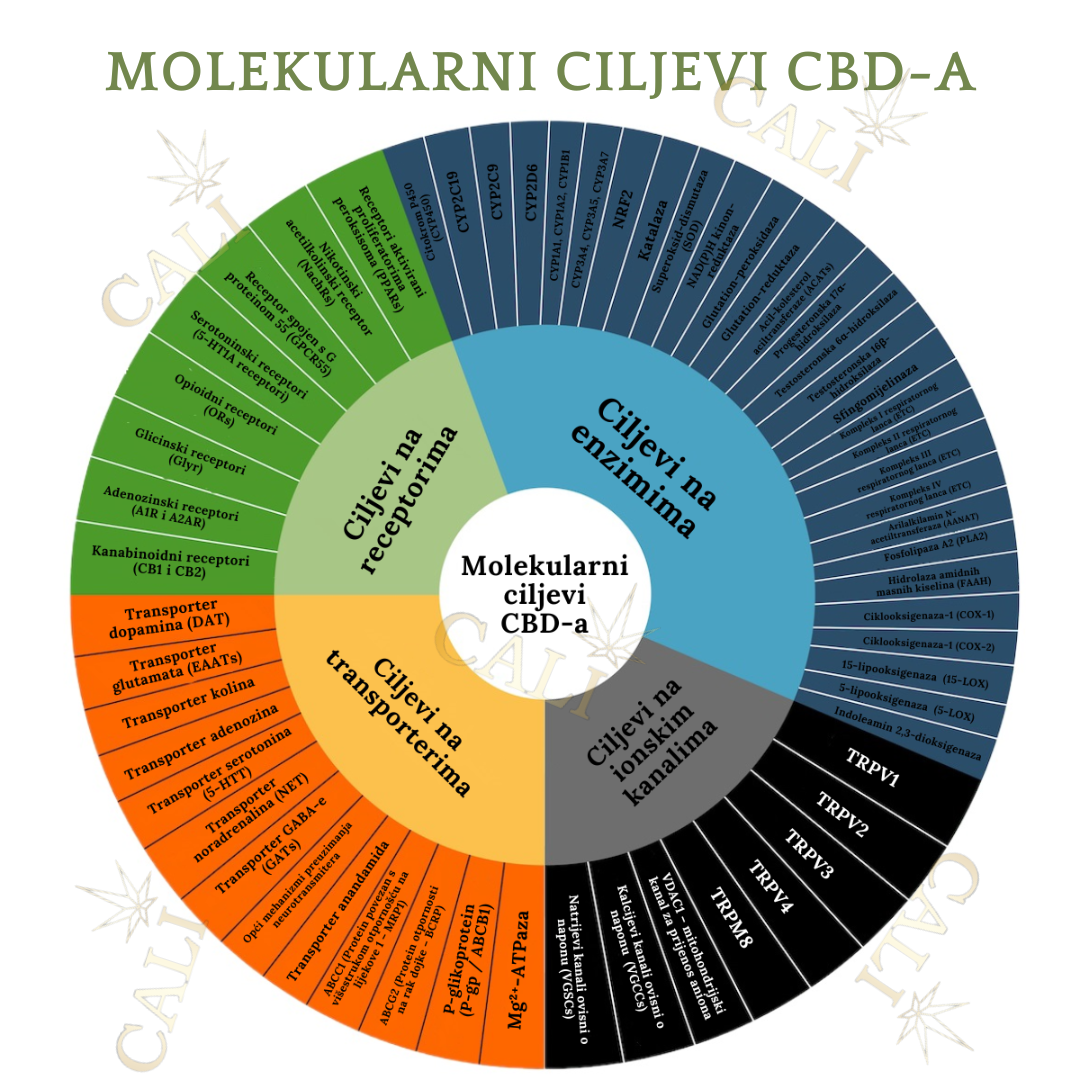
One of the most studied regulatory networks in this context is the endocannabinoid system (ECS).
The Endocannabinoid System: A Key Regulatory Network
The endocannabinoid system is a complex cell-signaling system present in the human body. It plays a role in maintaining internal balance (homeostasis).
Researchers have identified its involvement in:
- Sleep regulation
- Stress response
- Immune signaling
- Energy metabolism
- Neurological communication
The ECS includes receptors such as CB1 and CB2, as well as naturally produced endocannabinoids like anandamide and 2-AG.
Compounds found in hemp plants interact indirectly or directly with this system, which is why they are widely studied in biomedical research.
For more scientific background, see:
https://www.ncbi.nlm.nih.gov/pmc/articles/PMC6678684/
Hemp-Derived Compounds and Scientific Research
Hemp contains a wide range of bioactive compounds, including cannabinoids, terpenes, and flavonoids. Researchers have identified potential interactions between these compounds and various biological pathways.
It is important to emphasize that most findings are preclinical or early clinical, and should be interpreted within a scientific research context rather than as confirmed therapeutic outcomes.
Cardiovascular Research and Aging Populations
Cardiovascular health is one of the most studied areas in relation to cannabinoids and hemp extracts.
A clinical study published in the European Journal of Internal Medicine explored the effects of cannabis-based treatment in older adults with hypertension. Researchers observed changes in blood pressure measurements over time, suggesting potential physiological interactions worth further investigation.
Source:
https://www.sciencedirect.com/science/article/abs/pii/S0953620521000054
Large-scale observational studies, such as data from the UK Biobank, have also explored associations between cannabis use and cardiovascular markers. However, researchers emphasize that causal relationships have not been established.
Source:
https://www.nature.com/articles/s41598-022-22841-6
Additionally, hemp seeds contain essential fatty acids such as omega-3 and omega-6, which are widely recognized in nutrition science for their role in maintaining general cardiovascular health.
Source:
https://www.ncbi.nlm.nih.gov/pmc/articles/PMC2868018/
Comfort, Mobility and Quality of Life in Aging
One of the most frequently studied areas of cannabinoid research is its relationship to perceived comfort and daily functioning.
Surveys among older populations suggest that many individuals explore hemp-derived products in relation to:
- Physical discomfort
- Sleep quality
- Stress and relaxation
- General well-being
According to research published in Health Affairs, chronic discomfort is one of the most common reasons for medical cannabis use among patients.
Source:
https://www.healthaffairs.org/doi/full/10.1377/hlthaff.2018.05266
It is important to note that these findings are based on self-reported data and observational studies, which do not establish clinical effectiveness.
Cognitive Aging and Neurobiological Research
As populations age, cognitive health becomes a central focus of scientific investigation.
Preclinical studies suggest that cannabinoids may interact with pathways involved in:
- Neuroinflammation
- Oxidative stress
- Cellular signaling
These mechanisms are being explored in relation to age-related neurological changes.
Source:
https://www.ncbi.nlm.nih.gov/pmc/articles/PMC10323256/
However, current evidence remains exploratory, and more controlled clinical studies are required before drawing conclusions.
Sleep Quality and Restorative Recovery
Sleep patterns often change with age, and many individuals report difficulties with sleep continuity or depth.
Cannabinoids such as CBD, CBG, and CBN, along with naturally occurring terpenes like linalool and myrcene, are currently being studied for their potential role in relaxation and sleep regulation.
A study published in the Journal of the American Geriatrics Society reported that sleep-related concerns were among the most common reasons older adults used cannabis products.
Source:
https://agsjournals.onlinelibrary.wiley.com/doi/10.1111/jgs.15507
While promising, these findings are still under scientific review and should not be interpreted as medical recommendations.
Full-Spectrum Hemp Extracts and the Entourage Effect
One of the most discussed concepts in cannabinoid science is the so-called entourage effect.
This hypothesis suggests that cannabinoids, terpenes, and flavonoids may work together in a synergistic manner, potentially influencing absorption and biological activity.
Research indicates that full-spectrum extracts may demonstrate different pharmacokinetic properties compared to isolated compounds.
Source:
https://pubmed.ncbi.nlm.nih.gov/37337087/
Although research is ongoing, this concept has become a central topic in modern hemp science.
Bioavailability and Delivery Innovation
CBD is naturally lipophilic, meaning it does not dissolve easily in water. This characteristic can affect how it is absorbed in the human body.
To address this, researchers and manufacturers have developed nano-emulsion technologies, which reduce particle size and increase dispersion in liquid systems.
These innovations may improve bioavailability, although results can vary depending on formulation and individual physiology.
Nano-delivery systems represent one of the most active areas of development in cannabinoid product science.
Responsible Use and Regulatory Context (EU Perspective)
In the European Union, hemp-derived products are regulated under strict frameworks. CBD is considered a novel food ingredient in many contexts, and safety assessments are ongoing.
Consumers are advised to:
- Use products from verified manufacturers
- Follow local regulations
- Consult professionals when needed
- Avoid making medical assumptions about cannabinoid products
More information:
https://www.efsa.europa.eu/en/topics/topic/cannabis-and-cannabinoids
The Future of Healthy Aging Research
Healthy aging is not only about extending lifespan, but about maintaining independence, mobility, and quality of life.
Hemp-derived compounds continue to be an active area of scientific investigation. While research is still evolving, interest in plant-based wellness systems is growing globally.
Future studies will likely provide deeper insight into how cannabinoids and plant compounds interact with human physiology across different age groups.
Conclusion
As societies continue to age, the demand for evidence-based wellness strategies will increase.
Hemp-derived compounds such as CBD are currently being studied within a broad scientific framework that includes neurology, nutrition, sleep science, and inflammation research.
While no definitive medical conclusions can be drawn at this stage, ongoing research suggests that these compounds may play a role in future wellness approaches focused on healthy aging.
Disclaimer
This article is for educational and informational purposes only. It does not constitute medical advice and is not intended to diagnose, treat, cure, or prevent any disease. Hemp-derived products should be used in accordance with local laws and professional guidance.
References
- https://www.sciencedirect.com/science/article/abs/pii/S0953620521000054
- https://www.nature.com/articles/s41598-022-22841-6
- https://www.ncbi.nlm.nih.gov/pmc/articles/PMC2868018/
- https://www.healthaffairs.org/doi/full/10.1377/hlthaff.2018.05266
- https://www.ncbi.nlm.nih.gov/pmc/articles/PMC10323256/
- https://agsjournals.onlinelibrary.wiley.com/doi/10.1111/jgs.15507
- https://pubmed.ncbi.nlm.nih.gov/37337087/
- https://www.efsa.europa.eu/en/topics/topic/cannabis-and-cannabinoids