Digestive issues can quietly take over everyday life.
For millions of people across Europe, symptoms such as bloating, abdominal discomfort, irregular bowel movements, stress-related digestive flare-ups, and fatigue are more than occasional inconveniences — they can become part of a daily routine.
One condition frequently associated with these symptoms is Irritable Bowel Syndrome (IBS).
As interest in natural wellness solutions continues to grow, many people are now exploring whether CBD oil may support digestive balance and overall gut wellbeing.
But can CBD really help support people living with IBS symptoms?
Let’s explore what current science says.
What Is IBS?
rritable Bowel Syndrome (IBS) is a common gastrointestinal condition that affects the digestive system. It is estimated to affect approximately 10–15% of the Western population.
IBS can lead to symptoms such as:
- Abdominal discomfort and cramping
- Bloating
- Diarrhea
- Constipation
- Nausea
- Fatigue
- Lower back discomfort
- Stress-related digestive flare-ups
Unlike inflammatory bowel diseases such as Crohn’s disease or ulcerative colitis, IBS does not usually cause visible damage to the digestive tract. However, symptoms can still significantly impact quality of life.
One of the most challenging aspects of IBS is unpredictability. Symptoms may appear suddenly and are often triggered by stress, diet, sleep disruption, or lifestyle factors.
This connection between the brain, stress levels, and gut function has led researchers to investigate the role of the body’s Endocannabinoid System (ECS) in digestive health.
What Is CBD?
Cannabidiol (CBD) is a naturally occurring compound found in the hemp plant, Cannabis sativa.
Unlike THC, CBD is non-intoxicating and does not produce a “high.”
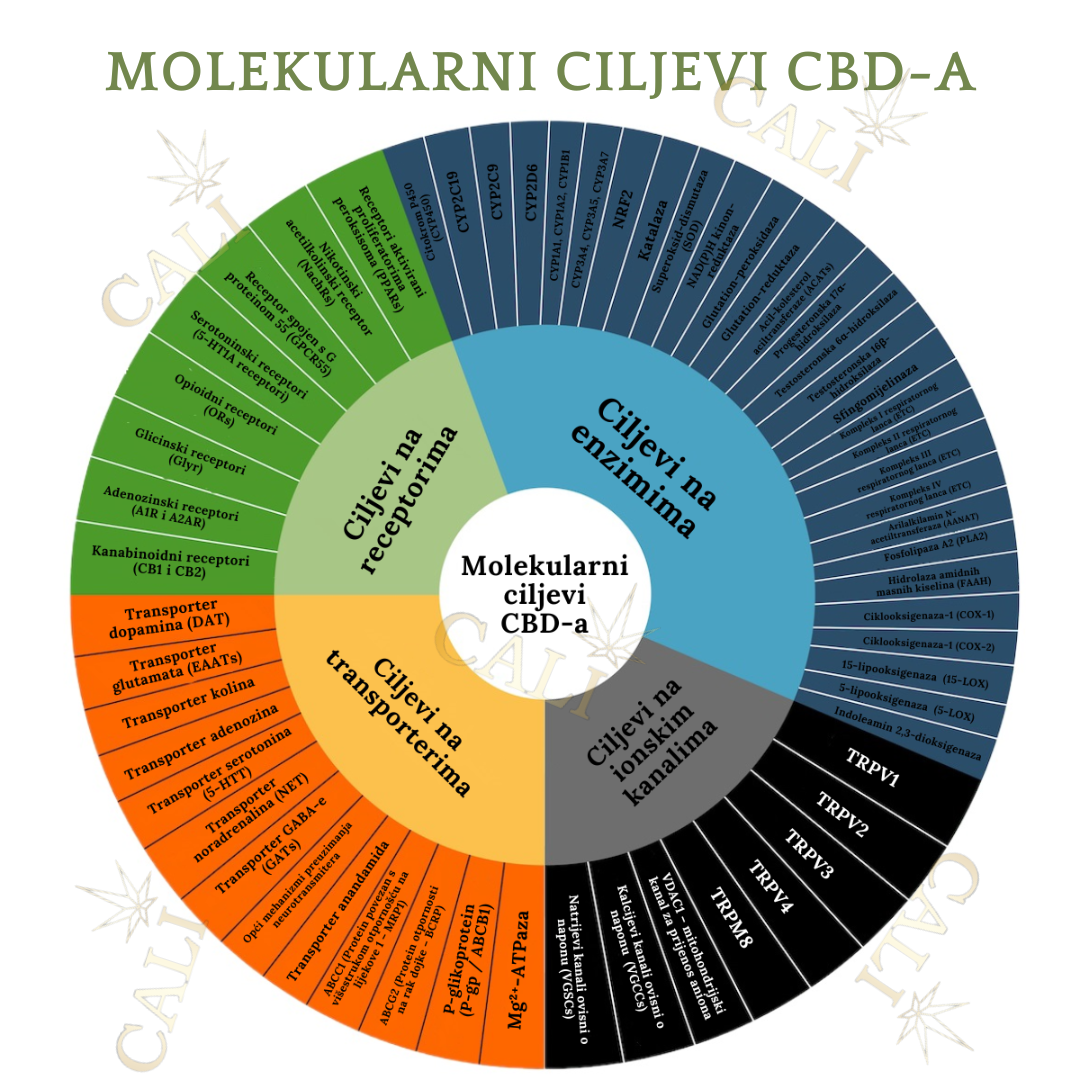
Over the last decade, CBD has become one of the most discussed plant-based wellness compounds due to growing scientific interest in its interaction with the Endocannabinoid System — a complex signaling network involved in maintaining balance throughout the body.
Research suggests the ECS may play a role in:
- Stress response
- Sleep regulation
- Immune function
- Pain signaling
- Mood balance
- Digestive processes
Scientific overview of the ECS:
https://www.ncbi.nlm.nih.gov/pmc/articles/PMC5877694/
The Connection Between CBD and IBS
Researchers have discovered that the gastrointestinal tract contains a large number of cannabinoid receptors.
These receptors are part of the Endocannabinoid System and may help regulate:
- Gut motility
- Intestinal sensitivity
- Inflammatory responses
- Communication between the gut and brain
Some experts even suggest that certain digestive disorders may involve what is sometimes referred to as “clinical endocannabinoid deficiency,” although more research is needed before firm conclusions can be made.
Research on the ECS and gastrointestinal function:
https://www.ncbi.nlm.nih.gov/pmc/articles/PMC2828614/
Studies also suggest that activation of cannabinoid receptors may help regulate intestinal contractions and secretion activity within the gut.
Scientific publication:
https://www.ncbi.nlm.nih.gov/pmc/articles/PMC2694720/
While CBD is not intended to diagnose, treat, cure, or prevent any disease, ongoing research continues to explore its potential role in supporting digestive comfort and overall wellbeing.
Potential Ways CBD May Support People With IBS
1. Supporting Gut Balance & Digestive Comfort
Many people with IBS experience irregular bowel movements, including episodes of constipation or diarrhea.
Preliminary research suggests cannabinoids may influence gastrointestinal motility through interactions with the ECS.
Animal studies have shown that cannabinoids may affect intestinal contractions and gut sensitivity.
Research source:
https://www.ncbi.nlm.nih.gov/pmc/articles/PMC3348735/
Additionally, stress is widely recognized as one of the most common triggers for digestive flare-ups. Because CBD interacts with receptors involved in stress response, many users report feeling calmer and more relaxed after incorporating CBD into their wellness routines.
2. Supporting Relaxation and Stress Management
The connection between the gut and the brain is stronger than many people realize.
In fact, the digestive system is often referred to as the “second brain.”
People with IBS frequently report higher levels of stress and anxiety, which may worsen digestive symptoms.
CBD has gained attention for its potential calming properties and its interaction with serotonin-related pathways.
Research on CBD and anxiety-related mechanisms:
https://www.ncbi.nlm.nih.gov/pmc/articles/PMC4604171/
Although research is still developing, many users describe incorporating CBD into evening routines to support relaxation and overall balance.
3. Everyday Comfort and Recovery
Abdominal discomfort is one of the most common complaints among IBS sufferers.
Current research is investigating how cannabinoids may influence pain signaling pathways and inflammatory responses within the body.
Scientific review on cannabinoids and pain modulation:
https://www.ncbi.nlm.nih.gov/pmc/articles/PMC2503660/
Some researchers believe CBD’s interaction with the ECS may help support the body’s natural balancing processes involved in physical comfort and recovery.
However, more large-scale human studies are still needed.
What Makes Water-Soluble CBD Different?
Not all CBD products are absorbed equally.
Traditional CBD oils are fat-soluble, meaning the body must process them through digestion before absorption.
Water-soluble CBD formulations are designed differently.
Through advanced nanoemulsion technology, CBD particles are broken into significantly smaller droplets, potentially improving bioavailability — the amount your body can absorb and utilize.
This may allow some users to experience effects using smaller serving sizes compared to traditional oil-based formulations.
Research discussing cannabinoid bioavailability:
https://www.ncbi.nlm.nih.gov/pmc/articles/PMC6319597/
Potential advantages of water-soluble CBD include:
- Faster absorption
- Easier mixing into drinks and foods
- More convenient daily use
- Improved consistency
How to Use CBD for IBS Support
CBD products can be incorporated into a wellness routine in several ways:
- Sublingual oils (under the tongue)
- Capsules
- Water-soluble CBD formulas
- Gummies
- Topical products
- CBD-infused beverages
Many people prefer starting with a low serving size and increasing gradually depending on personal response.
A commonly recommended beginner approach is:
- Start low
- Use consistently
- Observe your body’s response
- Adjust gradually if needed
Consistency is often considered more important than high serving sizes.
Are There Side Effects?
CBD is generally well tolerated by most adults.
However, some individuals may experience mild side effects such as:
- Dry mouth
- Drowsiness
- Changes in appetite
- Digestive discomfort
- Fatigue
CBD may also interact with certain medications.
For this reason, it is always recommended to consult a healthcare professional before introducing CBD into your wellness routine, especially if you are pregnant, breastfeeding, or taking prescription medications.
Safety review of CBD:
https://www.ncbi.nlm.nih.gov/pmc/articles/PMC5569602/
Choosing a High-Quality CBD Product
The CBD market continues to grow rapidly across Europe, making quality more important than ever.
When choosing a product, look for:
Third-Party Laboratory Testing
Always choose brands that provide Certificates of Analysis (COAs).
THC Compliance
In the EU, hemp-derived products must comply with local THC regulations.
Clear Ingredient Transparency
Avoid products with unnecessary additives or undisclosed formulations.
Full Spectrum vs Broad Spectrum
Full-spectrum products contain multiple hemp compounds that may work synergistically through the “entourage effect.”
Research on the entourage effect:
https://www.ncbi.nlm.nih.gov/pmc/articles/PMC7324885/
Final Thoughts: Can CBD Help With IBS?
Research into CBD and digestive wellness is still evolving, but early findings and user experiences continue to generate growing interest.
CBD is not a cure for IBS, and it should not replace professional medical advice or prescribed treatments.
However, many people are exploring CBD as part of a broader wellness strategy focused on:
- Stress management
- Daily balance
- Digestive comfort
- Lifestyle support
- Overall wellbeing
As with any wellness supplement, quality, consistency, and responsible use matter.
If you are considering trying CBD for digestive support, speak with a healthcare professional and choose high-quality, laboratory-tested products from reputable brands.
The future of gut health may involve a more holistic understanding of the relationship between the brain, the digestive system, and the Endocannabinoid System — and CBD continues to be at the center of that conversation.
Scientific References & Research
- Endocannabinoid system overview
https://www.ncbi.nlm.nih.gov/pmc/articles/PMC5877694/ - ECS and gastrointestinal function
https://www.ncbi.nlm.nih.gov/pmc/articles/PMC2828614/ - Cannabinoid receptors in the gut
https://www.ncbi.nlm.nih.gov/pmc/articles/PMC2694720/ - Cannabinoids and intestinal motility
https://www.ncbi.nlm.nih.gov/pmc/articles/PMC3348735/ - CBD and anxiety mechanisms
https://www.ncbi.nlm.nih.gov/pmc/articles/PMC4604171/ - Cannabinoids and pain modulation
https://www.ncbi.nlm.nih.gov/pmc/articles/PMC2503660/ - CBD safety review
https://www.ncbi.nlm.nih.gov/pmc/articles/PMC5569602/ - Cannabinoid bioavailability
https://www.ncbi.nlm.nih.gov/pmc/articles/PMC6319597/ - Entourage effect research
https://www.ncbi.nlm.nih.gov/pmc/articles/PMC7324885/ - Brazilian IBS case report publication
https://www.scielo.br/j/jcol/a/HFWvsKJhpPdRzkHKhPjqqdM/