Parkinson’s disease affects far more than movement.
For millions of people worldwide, this progressive neurological condition can influence sleep, mood, energy levels, muscle control, mobility, and overall quality of life. Everyday tasks that once felt automatic may gradually become more difficult, while emotional and psychological challenges often become just as significant as the physical symptoms themselves.
Although conventional medications such as Levodopa and other dopaminergic therapies remain the standard treatment approach, researchers continue exploring additional strategies that may help support comfort, mobility, and wellbeing in people living with Parkinson’s disease.
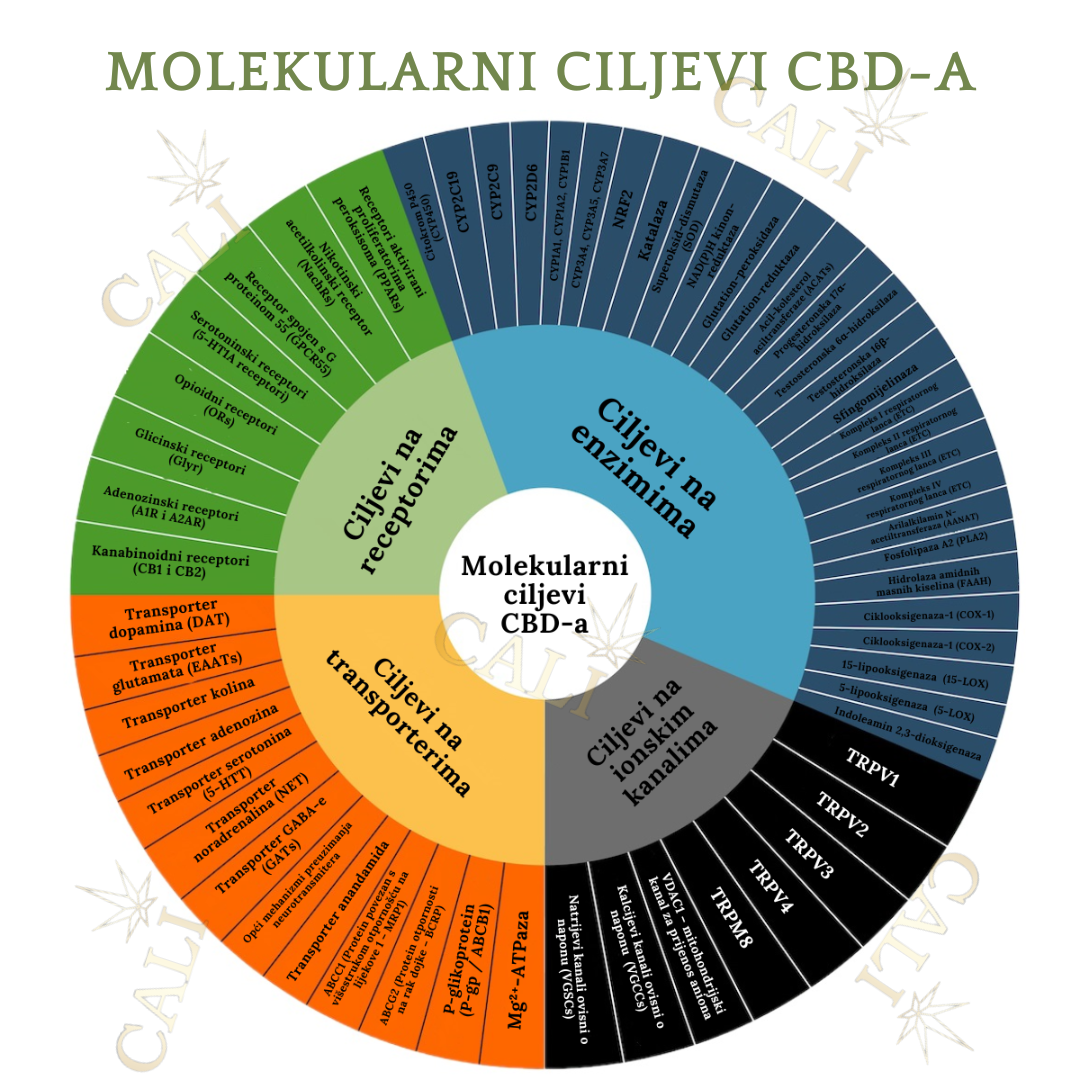
One area receiving growing scientific attention is the relationship between cannabinoids — especially cannabidiol (CBD) — and the Endocannabinoid System (ECS).
Could hemp-derived cannabinoids potentially support some symptoms associated with Parkinson’s disease?
Here is what current science suggests.
What Is Parkinson’s Disease?
Parkinson’s disease (PD) is a long-term neurodegenerative disorder that primarily affects movement and motor control.
It develops gradually as dopamine-producing neurons in specific regions of the brain begin to decline. Dopamine is an important neurotransmitter involved in movement coordination and communication between nerve cells.
Common symptoms may include:
- Tremors
- Muscle stiffness
- Slowed movement (bradykinesia)
- Balance difficulties
- Muscle rigidity
- Sleep disturbances
- Fatigue
- Mood changes
- Anxiety and depression
- Cognitive challenges
Symptoms often progress over time, which is why many patients explore complementary wellness approaches alongside conventional care.
General overview of Parkinson’s disease:
https://en.wikipedia.org/wiki/Parkinson%27s_disease
Understanding the Endocannabinoid System (ECS)
The Endocannabinoid System is a complex cell-signaling network found throughout the body, including the brain and nervous system.
The ECS helps regulate numerous physiological functions such as:
- Mood balance
- Sleep
- Stress response
- Pain signaling
- Immune function
- Inflammation
- Movement and motor coordination
The system includes cannabinoid receptors known as CB1 and CB2 receptors, naturally produced endocannabinoids, and enzymes that break these compounds down.
Importantly, CB1 receptors are highly concentrated in brain regions associated with movement regulation — including the basal ganglia, which are heavily involved in Parkinson’s disease.
Scientific review of the ECS and neurodegeneration:
https://www.ncbi.nlm.nih.gov/pmc/articles/PMC5436333/
Because cannabinoids from the hemp plant interact indirectly with this system, researchers are increasingly investigating their potential role in neurological wellness support.
What Is CBD?
Cannabidiol (CBD) is a naturally occurring, non-intoxicating compound found in hemp plants.
Unlike THC, CBD does not produce a “high.”
Over the past decade, CBD has become one of the most widely discussed hemp-derived wellness compounds due to growing scientific interest in its interaction with the nervous system and the Endocannabinoid System.
Researchers are currently exploring CBD for its possible:
- Neuroprotective properties
- Anti-inflammatory effects
- Antioxidant activity
- Stress-support potential
- Sleep-supporting properties
While research is ongoing, many individuals are interested in CBD as part of a broader wellness and lifestyle strategy.
Potential Ways CBD May Support People Living With Parkinson’s Disease
1. Movement & Motor Function Support
Motor symptoms are among the most recognizable aspects of Parkinson’s disease.
These symptoms can include:
- Tremors
- Muscle rigidity
- Slowed movement
- Reduced coordination
- Difficulty with fine motor skills
Several preliminary studies have explored the relationship between cannabinoids and motor symptoms.
One observational study published in Clinical Neuropharmacology reported improvements in tremor, rigidity, and fine motor skills among Parkinson’s patients after cannabis use.
Study source:
https://pubmed.ncbi.nlm.nih.gov/25237103/
Researchers believe cannabinoids may influence signaling pathways involved in movement regulation through interactions with cannabinoid receptors in the brain.
However, larger placebo-controlled human studies are still needed.
2. Supporting Sleep Quality
Sleep disturbances are extremely common in Parkinson’s disease.
Many patients report:
- Difficulty falling asleep
- Frequent waking
- REM sleep disturbances
- Nighttime restlessness
- Daytime fatigue
Poor sleep quality can significantly reduce overall wellbeing and daily function.
Some preliminary evidence suggests CBD may support relaxation and healthier sleep cycles in certain individuals.
One study investigating REM sleep behavior disorder in Parkinson’s patients found promising early results involving CBD.
Research source:
https://pubmed.ncbi.nlm.nih.gov/24845114/
Although findings remain preliminary, many users incorporate CBD into evening wellness routines to promote relaxation and nighttime balance.
3. Comfort, Muscle Relaxation & Everyday Recovery
Muscle stiffness, discomfort, and tension are common complaints among people living with Parkinson’s disease.
Researchers are investigating whether cannabinoids may influence discomfort perception and inflammatory signaling pathways.
CBD has attracted particular attention because of its interaction with pathways associated with inflammation and oxidative stress.
Research on cannabinoids and inflammation:
https://bpspubs.onlinelibrary.wiley.com/doi/full/10.1111/j.1476-5381.2011.01278.x
While CBD is not intended to treat pain conditions, some individuals report improvements in overall physical comfort and muscle relaxation when using cannabinoid-based wellness products.
4. Emotional Wellbeing & Stress Support
Parkinson’s disease affects far more than physical movement.
Many patients also experience:
- Anxiety
- Stress
- Emotional fatigue
- Mood fluctuations
- Reduced motivation
Living with a progressive neurological condition can place significant emotional strain on both patients and caregivers.
CBD is widely researched for its interaction with serotonin-related pathways and stress-response mechanisms.
Research exploring CBD and anxiety-related pathways:
https://www.ncbi.nlm.nih.gov/pmc/articles/PMC4604171/
Although more clinical research is required, many users describe CBD as helping support calmness, emotional balance, and relaxation.
The Neuroprotective Potential of CBD
One of the most fascinating areas of cannabinoid research involves neuroprotection.
Oxidative stress and inflammation are believed to contribute to neuronal degeneration in Parkinson’s disease.
Researchers are currently exploring whether CBD’s antioxidant and anti-inflammatory properties may help support healthy neurological function.
Preclinical studies suggest cannabinoids may influence pathways related to:
- Oxidative stress reduction
- Neuroinflammation
- Cellular balance
- Neuronal protection
Scientific publication:
https://pubmed.ncbi.nlm.nih.gov/21683763/
While this research remains early-stage, it represents one of the most promising areas of cannabinoid science today.
Full Spectrum CBD vs CBD Isolate
When choosing a CBD product, understanding the formulation matters.
Full Spectrum CBD
Contains multiple naturally occurring hemp compounds, including cannabinoids, terpenes, and flavonoids.
These compounds may work together synergistically through what researchers call the “entourage effect.”
CBD Isolate
Contains only purified CBD without additional hemp compounds.
Many users prefer full-spectrum products because they aim to preserve the plant’s natural cannabinoid profile.
Research discussing the entourage effect:
https://www.ncbi.nlm.nih.gov/pmc/articles/PMC7324885/
Water-Soluble CBD and Bioavailability
Not all CBD products absorb equally.
Traditional oil-based CBD products are fat-soluble and must pass through digestion before entering circulation.
Water-soluble CBD formulations use nanoemulsion technology to create much smaller cannabinoid particles, potentially improving bioavailability.
Potential benefits may include:
- Faster absorption
- Improved consistency
- Easier mixing into drinks
- More efficient cannabinoid delivery
Research on cannabinoid bioavailability:
https://www.ncbi.nlm.nih.gov/pmc/articles/PMC6319597/
Is CBD Safe?
Current evidence suggests CBD is generally well tolerated in healthy adults.
However, side effects may occur in some individuals and can include:
- Dry mouth
- Fatigue
- Drowsiness
- Changes in appetite
- Digestive discomfort
CBD may also interact with certain medications, including medications metabolized through liver enzyme pathways.
For this reason, it is important to consult a healthcare professional before using CBD — especially if you are taking prescription medications or managing a neurological condition.
Comprehensive CBD safety review:
https://www.ncbi.nlm.nih.gov/pmc/articles/PMC5569602/
Important Considerations Before Trying CBD
Before purchasing a CBD product, always consider:
Third-Party Laboratory Testing
Choose products that provide independent Certificates of Analysis (COAs).
THC Compliance
Ensure products comply with local EU hemp regulations.
Product Transparency
Look for brands with clear ingredient sourcing and manufacturing information.
Consistency Matters
Many users report that regular, consistent use is more important than taking high amounts occasionally.
Final Thoughts: CBD and Parkinson’s Disease
Research into cannabinoids and Parkinson’s disease is still developing, but early findings continue generating significant scientific and public interest.
CBD is not a cure for Parkinson’s disease and should never replace medical treatment or professional neurological care.
However, growing evidence suggests cannabinoids may potentially support:
- Relaxation
- Sleep quality
- Emotional balance
- Everyday comfort
- Overall quality of life
As research into the Endocannabinoid System continues expanding, cannabinoids may become an increasingly important topic within future neurological wellness strategies.
For individuals interested in exploring CBD, choosing high-quality, laboratory-tested products and consulting healthcare professionals remains essential.
Scientific References & Research
- Parkinson’s disease overview
https://en.wikipedia.org/wiki/Parkinson%27s_disease - Cannabinoids and Parkinson’s disease review
https://www.ncbi.nlm.nih.gov/pmc/articles/PMC5436333/ - Neuroprotective properties of cannabinoids
https://pubmed.ncbi.nlm.nih.gov/21683763/ - Clinical trial on CBD and Parkinson’s disease
https://clinicaltrials.gov/study/NCT02818777 - Study on REM sleep behavior disorder and CBD
https://pubmed.ncbi.nlm.nih.gov/24845114/ - Cannabinoids and inflammation pathways
https://bpspubs.onlinelibrary.wiley.com/doi/full/10.1111/j.1476-5381.2011.01278.x - Clinical Neuropharmacology cannabis study
https://pubmed.ncbi.nlm.nih.gov/25237103/ - CBD and anxiety mechanisms
https://www.ncbi.nlm.nih.gov/pmc/articles/PMC4604171/ - Entourage effect research
https://www.ncbi.nlm.nih.gov/pmc/articles/PMC7324885/ - Cannabinoid bioavailability review
https://www.ncbi.nlm.nih.gov/pmc/articles/PMC6319597/ - CBD safety review
https://www.ncbi.nlm.nih.gov/pmc/articles/PMC5569602/