Acne is one of the most common skin conditions in the world, affecting millions of people across all age groups. Although acne is often associated with adolescence, many adults continue struggling with persistent breakouts, inflammation, redness, and skin sensitivity well into later stages of life.
Beyond its physical symptoms, acne can also have a major emotional and psychological impact. Studies suggest that acne may negatively affect self-confidence, social interactions, stress levels, and overall quality of life. For many individuals, the condition becomes more than just a cosmetic concern — it becomes a long-term source of frustration and emotional discomfort.
As interest in natural skincare continues growing across Europe and worldwide, researchers have increasingly begun exploring whether hemp-derived cannabinoids such as CBD may help support skin balance and reduce some of the factors associated with acne-prone skin.
In recent years, cannabidiol (CBD) has attracted significant scientific attention because of its potential anti-inflammatory, sebostatic, and skin-regulating properties.
This article explores what modern science currently says about acne, inflammation, the skin microbiome, and the potential role of CBD and hemp-derived compounds in skincare formulations.
What Causes Acne?
Acne vulgaris is considered a multifactorial inflammatory skin condition, meaning multiple biological processes contribute to its development.
Several major factors are commonly associated with acne formation:
- Excess sebum production (oil overproduction)
- Abnormal shedding of skin cells
- Inflammation
- Hormonal fluctuations
- Stress-related changes
- Skin microbiome imbalance
- Accumulation of Cutibacterium acnes bacteria
Acne primarily affects the pilosebaceous unit — a structure consisting of a hair follicle and sebaceous (oil) gland.
These sebaceous glands are highly concentrated on the:
- Face
- Chest
- Back
- Shoulders
When excess sebum combines with dead skin cells, pores may become blocked. This environment can promote bacterial accumulation and inflammatory responses within the skin.
Researchers now recognize that acne is not simply a “dirty skin” issue, but rather a complex inflammatory condition involving hormonal, immune, and microbiome-related mechanisms.
According to the American Academy of Dermatology, genetics, hormones, inflammation, and stress all appear to influence acne severity.
Why Inflammation Plays Such a Major Role
Modern dermatology increasingly views acne as an inflammatory condition from its earliest stages.
Inflammatory signaling molecules known as cytokines can contribute to:
- Redness
- Swelling
- Skin irritation
- Painful lesions
- Tissue damage
- Post-acne scarring
Researchers have identified several inflammatory mediators associated with acne progression, including:
- TNF-α
- IL-1β
- IL-6
- IL-8
These inflammatory pathways have become important targets in modern acne research and skincare development.
This is one reason why scientists became interested in whether CBD may influence inflammatory skin responses.
Conventional Acne Treatments and Their Limitations
Traditional acne management may involve topical or systemic therapies depending on severity.
Common prescription and over-the-counter approaches include:
- Retinoids
- Benzoyl peroxide
- Salicylic acid
- Antibiotics
- Hormonal therapies
- Isotretinoin
While these treatments can be effective for some individuals, they may also produce side effects such as:
- Dryness
- Skin irritation
- Peeling
- Photosensitivity
- Redness
- Antibiotic resistance concerns
Because of these limitations, many consumers have started exploring gentler skincare approaches that focus on skin barrier support and inflammation management.
Why CBD Became a Focus in Acne Research
Cannabidiol (CBD) is a non-intoxicating cannabinoid naturally found in hemp plants.
Unlike THC, CBD is considered non-psychoactive and does not produce the euphoric “high” associated with cannabis.
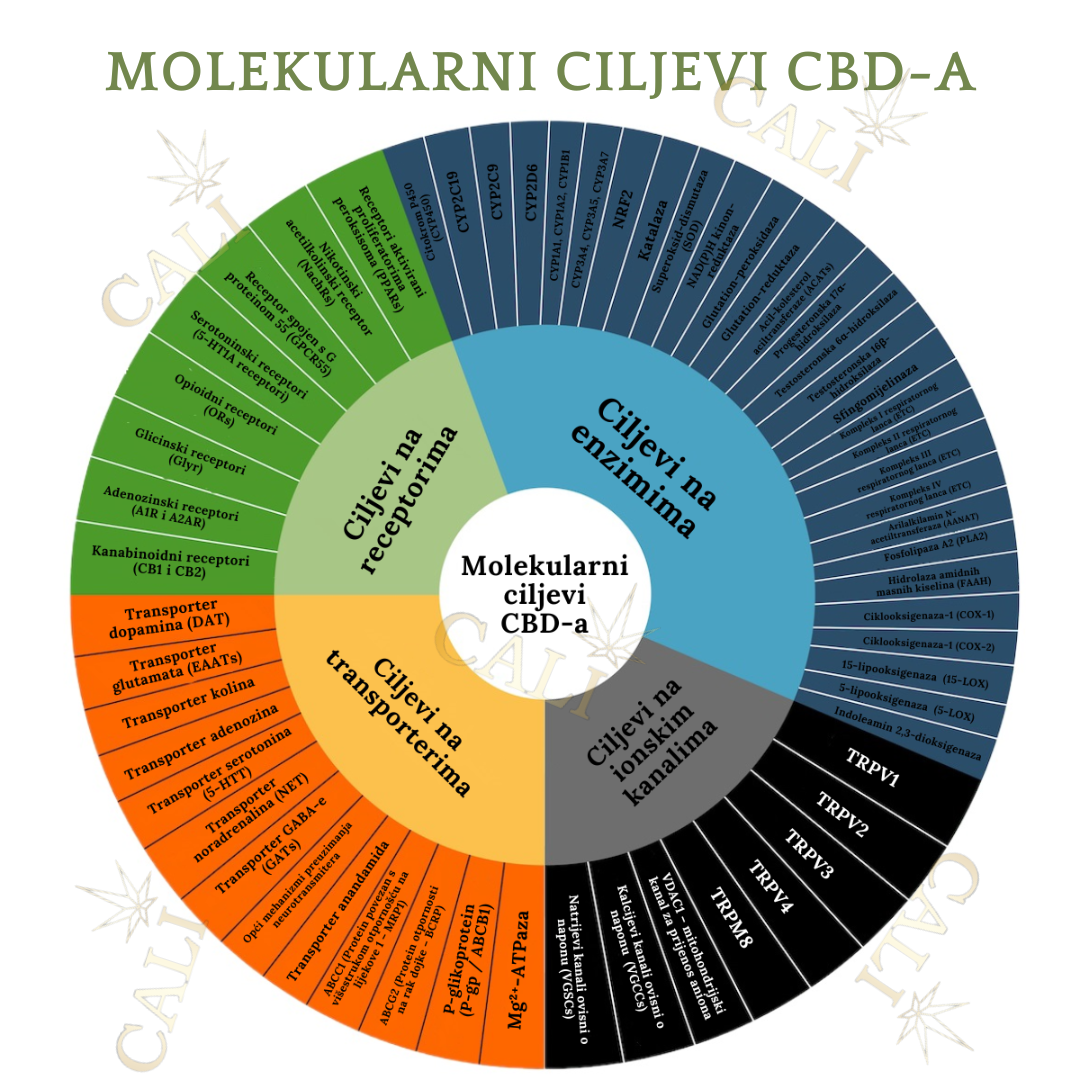
Researchers became interested in CBD skincare because the skin itself contains components of the endocannabinoid system, a biological signaling network involved in maintaining skin homeostasis.
Scientific evidence suggests the endocannabinoid system may play a role in:
- Sebum regulation
- Inflammatory signaling
- Skin cell growth
- Barrier function
- Immune responses
This led scientists to investigate whether cannabinoids could potentially help support acne-prone s
What Research Says About CBD and Sebum Production
One of the most widely referenced studies regarding CBD and acne was published in the Journal of Clinical Investigation.
In this study, researchers evaluated CBD in human sebocyte cultures under “acne-like” inflammatory conditions.
The study found that CBD demonstrated sebostatic effects, meaning it appeared to help regulate excessive lipid production in sebaceous gland cells.
Researchers observed that CBD inhibited excessive lipogenesis triggered by pro-acne compounds such as:
- Arachidonic acid
- Linoleic acid
- Testosterone-related signaling
Importantly, these effects occurred without damaging sebocyte viability.
The researchers also reported that CBD demonstrated anti-inflammatory properties through reduction of inflammatory cytokine activity.
CBD appeared to reduce the expression of:
- TNF-α
- IL-1β
- IL-6
These findings generated substantial scientific interest because inflammation and excess sebum production are considered major contributors to acne formation.
Although these results are promising, experts continue emphasizing the need for larger human clinical trials before drawing definitive conclusions.
Hemp Seed Extracts and Skin Inflammation
Beyond CBD itself, researchers have also investigated hemp seed-derived ingredients for skincare applications.
Unlike cannabinoids extracted from flowers, hemp seed extracts contain beneficial fatty acids, antioxidants, and plant compounds commonly used in cosmetic formulations.
A separate study evaluating hemp seed hexane extracts found that these extracts reduced inflammatory responses associated with Cutibacterium acnes in human keratinocyte models.
Researchers observed reductions in inflammatory mediators such as:
- IL-1β
- IL-8
The study also reported decreased nitric oxide production, which may play a role in inflammatory skin stress.
These findings support growing interest in hemp-derived cosmetic ingredients designed to support irritated or acne-prone skin.
Human Studies and Skin Redness
In addition to laboratory research, some human studies have explored topical hemp seed formulations and skin appearance.
One study evaluating a cream containing three percent cannabis seed extract reported reductions in skin erythema — a term commonly used to describe visible redness associated with irritation and inflammation.
Participants applied the cream twice daily for twelve weeks.
Researchers reported that the formulation appeared:
- Well tolerated
- Non-irritating
- Non-allergenic
- Safe within study conditions
Visible reductions in redness were observed progressively throughout the study period.
While these findings remain preliminary, they contribute to growing scientific interest surrounding hemp-derived skincare ingredients.
Why Consumers Are Turning Toward Hemp-Based Skincare
The modern skincare industry is shifting toward formulations focused on:
- Barrier support
- Gentle ingredients
- Skin microbiome balance
- Reduced irritation
- Multi-functional botanical compounds
CBD and hemp-derived ingredients have become especially popular among consumers seeking minimalist skincare routines with fewer harsh active ingredients.
Many individuals are particularly interested in formulations that combine:
- Botanical extracts
- Antioxidants
- Hydration support
- Anti-inflammatory compounds
- Barrier-supportive oils
However, product quality remains extremely important.
Not all CBD skincare products are created equally.
Consumers should look for:
- Third-party laboratory testing
- Transparent ingredient lists
- Hemp source information
- Stability-tested formulations
- EU-compliant cosmetic labeling
The Future of CBD in Dermatology
Research involving cannabinoids and dermatology continues expanding rapidly.
Scientists are currently investigating how cannabinoids may interact with:
- Skin inflammation
- Oxidative stress
- Sebaceous gland activity
- Skin barrier regulation
- Microbiome balance
Emerging research is also exploring cannabinoids in relation to:
- Eczema
- Psoriasis
- Sensitive skin
- Itching
- Skin aging
Although the science remains early in many areas, cannabinoids represent one of the most discussed emerging categories in modern skincare research.
A Balanced Perspective
While current findings surrounding CBD and acne are scientifically intriguing, it is important to approach the topic responsibly.
CBD skincare products are not intended to diagnose, treat, cure, or prevent disease unless specifically approved by regulatory authorities.
Acne is a complex medical condition influenced by numerous biological and lifestyle factors, and results may vary significantly between individuals.
Nevertheless, growing scientific evidence suggests that cannabinoids and hemp-derived compounds may hold interesting potential in the future of cosmetic skincare and skin barrier support.
As research continues evolving, consumers are likely to see increasing innovation in cannabinoid-based skincare technologies, formulations, and delivery systems.
Important Disclaimer
This article is intended strictly for educational and informational purposes only.
It does not constitute medical advice, diagnosis, or treatment recommendations.
Individuals experiencing persistent or severe skin conditions should consult a qualified healthcare professional or dermatologist.
Regulations regarding hemp-derived ingredients vary between countries and regions within the European Union.
Scientific References
- Scientific review on cannabinoids and skin biology
https://www.ncbi.nlm.nih.gov/pmc/articles/PMC2828614/ - American Academy of Dermatology – Acne causes
https://www.aad.org/public/diseases/acne/causes/acne-causes - WHO Critical Review Report on CBD
https://www.who.int/publications/m/item/cannabidiol-(cbd)-critical-review-report - Endocannabinoid system in skin physiology
https://www.ncbi.nlm.nih.gov/pmc/articles/PMC2757311/ - Journal of Clinical Investigation study on CBD and sebocytes
https://www.jci.org/articles/view/64628 - Hemp seed extract and inflammatory acne-related research
https://pubmed.ncbi.nlm.nih.gov/30993303/