Every year, millions of people make the same promise to themselves:
“This is the year I finally quit smoking.”
Yet for many smokers, quitting tobacco becomes far more difficult than expected. Nicotine dependence affects both the body and the brain, creating powerful behavioral and psychological habits that can persist for years.
According to the World Health Organization, tobacco use remains one of the leading causes of preventable death worldwide, contributing to approximately 8 million deaths annually. Smoking has been linked to cardiovascular disease, respiratory illness, chronic inflammation, reduced lung function, and multiple forms of cancer.
Despite widespread awareness of these risks, nicotine addiction can be incredibly difficult to overcome.
In recent years, scientists and consumers alike have shown growing interest in CBD (cannabidiol) as a potential wellness tool that may support people during smoking cessation and nicotine reduction efforts.
This article explores what current science says about CBD, stress regulation, nicotine cravings, and why cannabinoid-based wellness products are becoming increasingly popular among adults looking for alternatives to traditional smoking habits.
Why Quitting Smoking Is So Difficult
Smoking is not only a chemical dependence — it is also deeply behavioral and neurological.
Nicotine rapidly stimulates reward pathways in the brain, particularly those associated with dopamine release and habit formation.
Over time, the brain begins associating cigarettes with:
- Stress relief
- Relaxation
- Social rituals
- Focus and concentration
- Emotional regulation
- Routine behavior
This is one reason many smokers relapse even after periods of successful abstinence.
Withdrawal symptoms may include:
- Irritability
- Anxiety
- Restlessness
- Increased appetite
- Sleep disturbances
- Mood swings
- Difficulty concentrating
- Intense cravings
More about nicotine addiction from the National Institute on Drug Abuse.
What Is CBD?
CBD (cannabidiol) is a naturally occurring compound found in hemp.
Unlike THC, CBD is considered non-intoxicating, meaning it does not produce the euphoric “high” associated with psychoactive cannabis products.
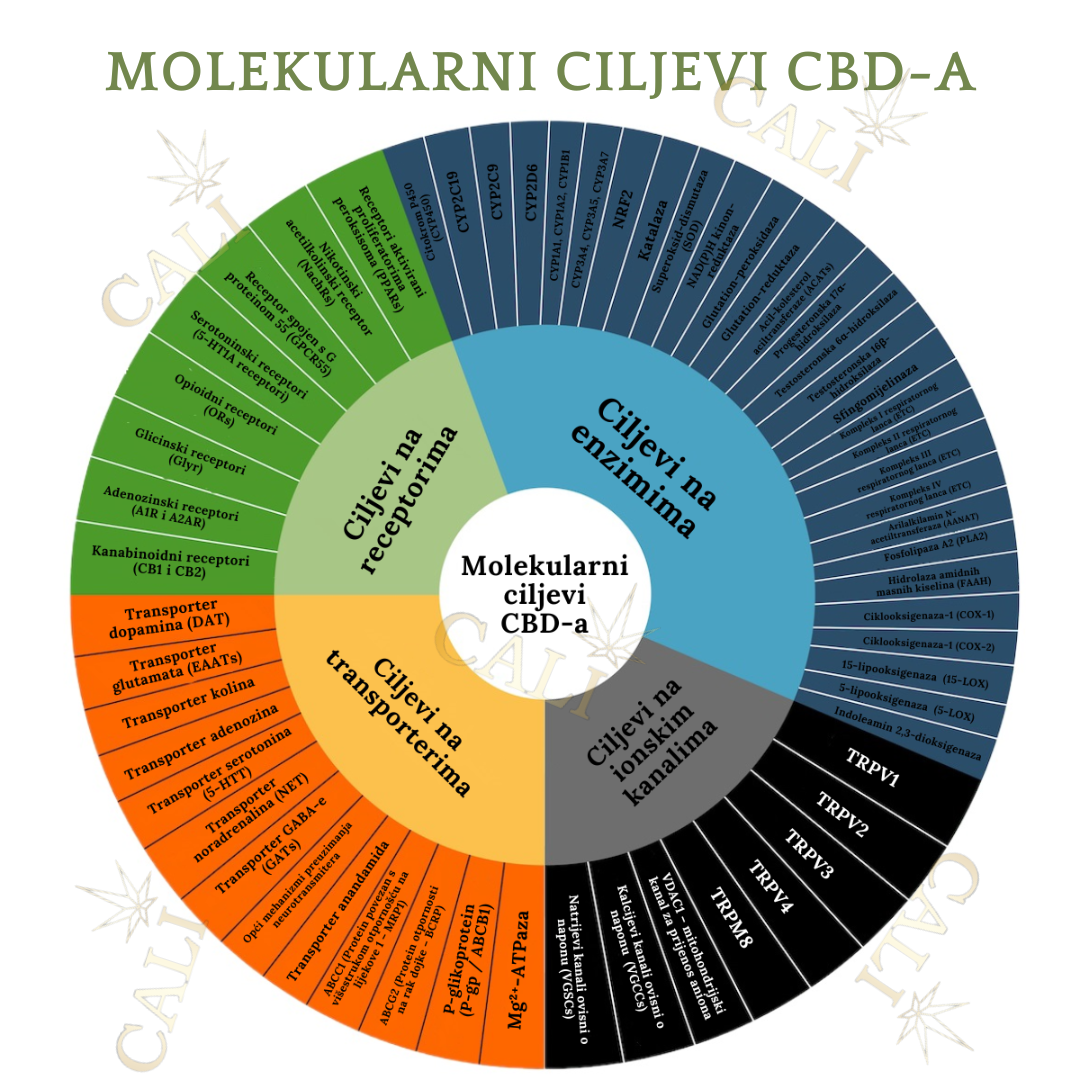
Instead, CBD has attracted scientific attention because of its interaction with the body’s endocannabinoid system (ECS) — a biological network involved in regulating balance within the body.
The ECS plays a role in:
- Stress response
- Mood regulation
- Sleep
- Appetite
- Emotional processing
- Immune signaling
- Nervous system balance
Scientific overview of the endocannabinoid system:
https://www.ncbi.nlm.nih.gov/pmc/articles/PMC3997295/
CBD and Nicotine Cravings: What Research Suggests
One of the reasons researchers became interested in CBD and smoking cessation is because the ECS appears connected to reward processing and habit-related behavior.
A frequently discussed pilot study published in 2013 examined smokers using a CBD inhaler during periods of cigarette cravings.
Researchers reported that participants using CBD reduced cigarette consumption significantly more than the placebo group over the study period.
Study reference:
https://www.ncbi.nlm.nih.gov/pmc/articles/PMC3165946/
Although the study was relatively small and preliminary, it generated substantial interest in the role cannabinoids may play in nicotine-related behaviors.
Importantly, researchers emphasized that larger clinical trials are still needed.
CBD, Stress, and Emotional Triggers
Stress is one of the most common triggers for smoking relapse.
Many smokers describe cigarettes as a coping mechanism during periods of:
- Anxiety
- Emotional overwhelm
- Mental fatigue
- High-pressure situations
- Social discomfort
This is where CBD has become particularly interesting to researchers.
Studies suggest CBD may influence pathways associated with emotional regulation and stress response.
Some evidence indicates CBD interacts with 5-HT1A serotonin receptors, which are involved in mood and anxiety signaling.
Other research suggests CBD may indirectly influence the body’s natural endocannabinoid signaling, which may help support emotional balance during stressful situations.
Because nicotine withdrawal often includes irritability and anxiety, this area continues attracting scientific attention.
Could CBD Help Replace Smoking Rituals?
For many people, smoking is not only about nicotine itself.
The ritual matters too:
- Hand-to-mouth movement
- Deep inhalation
- Break-taking habits
- Social behavior
- Sensory experience
This is one reason some adults transitioning away from cigarettes explore alternatives such as CBD vape devices or inhalation-based wellness products.
Unlike tobacco cigarettes, properly regulated vapor products do not involve combustion.
Combustion is one of the primary sources of toxic byproducts found in cigarette smoke.
However, product quality remains critically important.
Consumers should prioritize products that are:
- Third-party laboratory tested
- Free from harmful additives
- Manufactured according to EU regulations
- Transparent regarding ingredients and cannabinoid content
CBD Vape Products and Fast Absorption
One reason inhaled CBD products became popular is because inhalation provides relatively fast cannabinoid absorption.
Research suggests inhaled cannabinoids may enter circulation within minutes.
This faster onset may appeal to users seeking immediate sensory effects compared to slower oral products.
Scientific review on cannabinoid pharmacokinetics:
https://www.ncbi.nlm.nih.gov/pmc/articles/PMC3570572/
However, consumers should understand that vaping research is still evolving, and not all products are equal in quality or safety.
CBD Oils and Daily Wellness Support
In addition to vape products, many consumers use CBD oils as part of broader lifestyle routines.
Sublingual CBD oils are commonly used because they provide:
- Flexible dosing
- Longer-lasting effects compared to inhalation
- Easy daily use
- Consistent cannabinoid intake
Some users combine inhaled CBD with oral CBD oils as part of a structured nicotine reduction strategy.
Researchers continue studying whether cannabinoids may support emotional resilience, stress management, and sleep quality — all factors that may influence smoking cessation success.
CBD and Sleep During Nicotine Withdrawal
One underestimated challenge during smoking cessation is sleep disruption.
Nicotine withdrawal may negatively affect:
- Sleep quality
- Dream intensity
- Night waking
- Recovery and mood
Some preliminary research suggests cannabinoids may influence sleep-wake regulation pathways.
Review discussing cannabinoids and sleep:
https://www.ncbi.nlm.nih.gov/pmc/articles/PMC7388834/
Although more research is needed, many consumers report exploring CBD products as part of evening relaxation routines.
A More Balanced Approach to Smoking Reduction
There is no universal solution for quitting smoking.
Different people respond differently to:
- Nicotine replacement therapy
- Behavioral therapy
- Prescription medications
- Lifestyle changes
- Support groups
- Wellness products
CBD is not approved in the European Union as a treatment or cure for nicotine addiction.
However, growing scientific interest suggests cannabinoids may eventually become part of broader discussions surrounding stress management, emotional regulation, and habit-related behavior.
The most successful smoking cessation strategies often combine multiple approaches, including:
- Healthy routines
- Sleep optimization
- Exercise
- Psychological support
- Stress reduction techniques
- Professional medical guidance
Why Product Transparency Matters
As the European CBD market grows rapidly, transparency has become increasingly important.
Consumers should look for products that provide:
- Third-party lab reports
- Clear cannabinoid content
- Ingredient transparency
- Regulatory compliance
- Reliable manufacturing standards
Low-quality products may contain inaccurate labeling or undesirable additives.
Choosing trusted, professionally manufactured products is essential.
Final Thoughts
Quitting smoking is one of the most important long-term health decisions a person can make.
Although the journey can be difficult, scientific understanding of stress, addiction, and the endocannabinoid system continues evolving rapidly.
CBD has emerged as one of the most discussed plant-derived wellness compounds in modern research — particularly regarding emotional balance, stress resilience, and behavioral support.
While more large-scale clinical studies are still needed, growing scientific interest suggests cannabinoids may play an increasingly important role in future wellness conversations surrounding nicotine reduction and smoking cessation support.
For many adults, the goal is simple:
Breathe easier. Feel better. Regain control.
And sometimes, small changes become the beginning of life-changing transformations.
Important Disclaimer
This article is intended for educational and informational purposes only.
CBD products are not intended to diagnose, treat, cure, or prevent any disease.
The information presented here should not replace professional medical advice or smoking cessation counseling.
Individuals taking medications or managing medical conditions should consult a qualified healthcare professional before using cannabinoid-based products.
Scientific References
- World Health Organization – Tobacco Fact Sheet
https://www.who.int/news-room/fact-sheets/detail/tobacco - National Institute on Drug Abuse – Nicotine and addiction
https://nida.nih.gov/publications/drugs-brains-behavior-science-addiction/tobacco-nicotine-e-cigarettes - WHO Critical Review Report on CBD
https://www.who.int/publications/m/item/cannabidiol-(cbd)-critical-review-report - Endocannabinoid system overview
https://www.ncbi.nlm.nih.gov/pmc/articles/PMC3997295/ - 2013 CBD inhaler smoking reduction study
https://www.ncbi.nlm.nih.gov/pmc/articles/PMC3165946/ - CBD and serotonin receptor research
https://www.ncbi.nlm.nih.gov/pmc/articles/PMC5938896/ - Cannabinoid pharmacokinetics review
https://www.ncbi.nlm.nih.gov/pmc/articles/PMC3570572/ - Cannabinoids and sleep review
https://www.ncbi.nlm.nih.gov/pmc/articles/PMC7388834/