The world of CBD has evolved rapidly over the last few years. Today, consumers across Europe are becoming more educated, more selective, and more interested in understanding exactly what they are putting into their bodies. One of the most common questions people ask before buying a CBD product is:
What is the difference between full-spectrum CBD, broad-spectrum CBD, and CBD isolate — and which one is best?
While all three types contain cannabidiol (CBD), they differ significantly in composition, potential effects, and the overall user experience. Understanding these differences can help you make a more informed decision based on your personal wellness goals, lifestyle, and preferences.
In this guide, we’ll break down the science behind each type of CBD, explain the famous “entourage effect,” explore current research, and help you determine which CBD format may best suit your needs.
What Is CBD?
Cannabidiol (CBD) is one of the most researched compounds naturally found in the hemp plant (Cannabis sativa). Unlike THC, CBD is non-intoxicating, meaning it does not produce the “high” associated with cannabis.
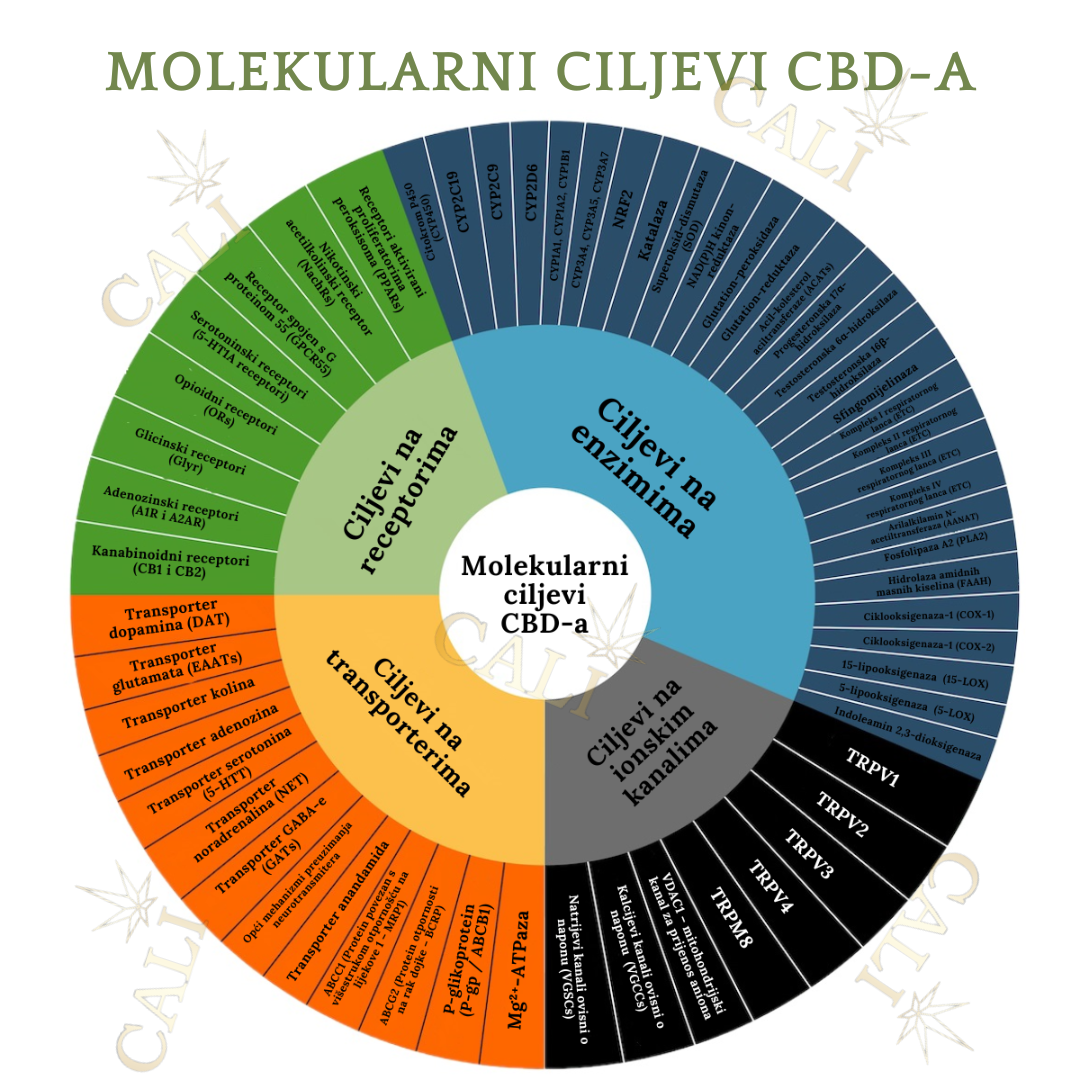
CBD interacts with the body’s endocannabinoid system (ECS), a complex biological network involved in maintaining balance within the body. Researchers believe the ECS plays a role in functions such as mood, sleep, stress response, inflammation, appetite, recovery, and cognitive performance.
You can learn more about the endocannabinoid system in this scientific review published by the
https://www.ncbi.nlm.nih.gov/pmc/articles/PMC5877694/
The 3 Main Types of CBD Products
There are three primary categories of CBD available on the market:
- Full-Spectrum CBD
- Broad-Spectrum CBD
- CBD Isolate
Each type offers a different cannabinoid profile and experience.
Full-Spectrum CBD
Full-Spectrum CBD contains the complete range of naturally occurring hemp compounds, including:
- CBD
- Minor cannabinoids (CBG, CBC, CBN, etc.)
- Terpenes
- Flavonoids
- Essential fatty acids
- Plant compounds naturally present in hemp
- Trace amounts of THC (within legally permitted EU limits)
This is considered the least processed form of CBD extract and is often preferred by consumers looking for the most “natural” hemp experience.
Benefits of Full-Spectrum CBD
1. The Entourage Effect
One of the most discussed concepts in cannabinoid science is the entourage effect.
The entourage effect refers to the theory that cannabinoids and terpenes may work better together than in isolation. Instead of relying on CBD alone, Full-Spectrum extracts preserve the plant’s natural synergy.
This concept was explored in research published here:
https://www.fundacion-canna.es/en/cannabis-and-entourage-effect
Many consumers report that Full-Spectrum formulations feel more balanced and effective compared to isolated CBD products.
2. Wider Plant Profile
Full-Spectrum products preserve naturally occurring hemp terpenes and minor cannabinoids that may contribute to the overall experience.
For example:
- CBG is being studied for its interaction with inflammation and mood regulation
- CBC is being researched for neuroprotective properties
- Terpenes such as limonene and linalool may contribute to calming or uplifting effects
3. Potentially Stronger Overall Effect
Some preliminary research suggests that Full-Spectrum extracts may require lower doses compared to isolated CBD.
A study discussing cannabinoid synergy can be found here:
https://www.ncbi.nlm.nih.gov/pmc/articles/PMC6334252/
Potential Drawbacks of Full-Spectrum CBD
Trace THC Content
Full-Spectrum products may contain trace amounts of THC within legal EU limits.
While these amounts are not intended to produce intoxication, athletes or individuals subject to drug testing may prefer THC-free alternatives.
Stronger Taste and Aroma
Because Full-Spectrum extracts retain natural hemp compounds and terpenes, they often have a stronger earthy flavor and aroma.
Some users enjoy this natural profile, while others prefer a more neutral taste.
Broad-Spectrum CBD
Broad-Spectrum CBD is similar to Full-Spectrum CBD, but with one important difference:
THC is removed.
Broad-Spectrum products still contain multiple cannabinoids and terpenes, allowing users to experience many benefits associated with the hemp plant while avoiding THC exposure.
Benefits of Broad-Spectrum CBD
1. THC-Free Formula
Broad-Spectrum CBD is popular among people who:
- Want to avoid THC entirely
- Are sensitive to THC
- Undergo workplace drug testing
- Prefer peace of mind regarding THC consumption
2. Preserved Plant Compounds
Unlike CBD isolate, Broad-Spectrum extracts still contain additional cannabinoids and terpenes.
This means users may still benefit from a partial entourage effect.
3. Balanced Wellness Option
For many people, Broad-Spectrum CBD represents the middle ground between Full-Spectrum potency and Isolate purity.
Potential Drawbacks of Broad-Spectrum CBD
Reduced Entourage Effect
Some experts believe removing THC may slightly reduce the synergistic interaction between hemp compounds.
In some extraction processes, removing THC may also affect terpene and flavonoid preservation.
CBD Isolate
CBD Isolate is the purest form of cannabidiol available.
It contains:
- 99%+ pure CBD
- No THC
- No terpenes
- No flavonoids
- No additional cannabinoids
It is typically sold in crystalline or powdered form and can also be infused into oils, capsules, beverages, cosmetics, and edibles.
Benefits of CBD Isolate
1. Pure Cannabidiol
CBD Isolate is ideal for users who want CBD only — without any other hemp compounds.
2. Completely THC-Free
This makes it a common option for professional athletes or individuals who must avoid THC completely.
3. Flexible and Neutral
CBD isolate has little to no flavor, making it easier to add to:
- Food
- Drinks
- Smoothies
- Skincare formulations
- DIY wellness products
Potential Drawbacks of CBD Isolate
No Entourage Effect
Without additional cannabinoids or terpenes, isolate products may not deliver the same synergistic experience associated with Full-Spectrum hemp extracts.
Some users find they need higher doses compared to Full-Spectrum formulations.
What Does the Science Say?
Researchers continue to investigate how cannabinoids interact together.
One notable review discussing cannabinoid synergy and therapeutic potential can be found here:
https://www.ncbi.nlm.nih.gov/pmc/articles/PMC6334252/
Another scientific publication examining Full-Spectrum cannabis extracts versus purified CBD can be found here:
https://file.scirp.org/pdf/PP_2015021016351567.pdf
Researchers suggest that whole-plant extracts may offer broader biological activity compared to isolated cannabidiol alone.
However, it’s important to note that research is still ongoing, and responses to CBD vary between individuals.
Full-Spectrum vs Broad-Spectrum vs Isolate: Quick Comparison
Full-Spectrum CBD
Best for:
- Users seeking the most complete hemp profile
- Consumers interested in the entourage effect
- Wellness enthusiasts looking for maximum plant synergy
Contains THC:
- Yes (trace legal amounts)
Broad-Spectrum CBD
Best for:
- Users who want multiple cannabinoids without THC
- Professionals or athletes avoiding THC exposure
Contains THC:
- No detectable THC
CBD Isolate
Best for:
- Users wanting pure CBD only
- DIY formulations
- Individuals sensitive to hemp terpenes
Contains THC:
- No
How to Choose the Right CBD Product
Choosing the right CBD product depends on your goals, lifestyle, and preferences.
Choose Full-Spectrum CBD if:
- You want the most complete hemp extract
- You are comfortable with trace THC levels
- You prefer minimally processed products
Choose Broad-Spectrum CBD if:
- You want a THC-free option with multiple cannabinoids
- You still want some entourage-effect potential
Choose CBD Isolate if:
- You want pure cannabidiol only
- You dislike hemp flavor
- You need complete THC avoidance
Important Buying Tips
1. Always Check Third-Party Lab Tests
A reputable CBD company should always provide independent Certificates of Analysis (COAs) verifying:
- Cannabinoid content
- THC levels
- Purity
- Safety testing
2. Understand the Extraction Method
CO2 extraction is commonly considered one of the cleanest methods for producing premium hemp extracts.
3. Look Beyond CBD Percentage
A product’s effectiveness depends on more than just CBD concentration. Terpenes, cannabinoids, bioavailability, and formulation quality all matter.
4. Start Low and Increase Gradually
CBD affects everyone differently. Many users begin with lower servings and gradually adjust based on personal preference and experience.
Final Thoughts
CBD is not a one-size-fits-all product.
Some people prefer the complete plant profile of Full-Spectrum CBD. Others value the THC-free nature of Broad-Spectrum extracts or the purity and versatility of CBD Isolate.
The most important thing is choosing a high-quality product that aligns with your goals, lifestyle, and comfort level.
As research into cannabinoids continues to evolve, consumers are becoming more informed than ever — and understanding the difference between Full-Spectrum, Broad-Spectrum, and Isolate products is one of the best ways to make a smarter CBD decision.
Whether you’re new to CBD or looking to upgrade your current routine, taking the time to understand what’s inside your product can make all the difference.
Scientific References & Research
- Russo, E.B. “Taming THC: potential cannabis synergy and phytocannabinoid-terpenoid entourage effects”
https://www.ncbi.nlm.nih.gov/pmc/articles/PMC3165946/ - “Cannabis and the Entourage Effect”
https://www.fundacion-canna.es/en/cannabis-and-entourage-effect - “Full-Spectrum Cannabis Extracts vs CBD Isolate”
https://www.fundacion-canna.es/en/full-spectrum-cannabis-extracts-vs-cbd-isolate - “An Overview of the Endocannabinoid System”
https://www.ncbi.nlm.nih.gov/pmc/articles/PMC5877694/ - “Cannabidiol in Anxiety and Sleep: A Large Case Series”
https://www.ncbi.nlm.nih.gov/pmc/articles/PMC6326553/ - “Therapeutic Efficacy of Cannabidiol (CBD): A Review”
https://www.ncbi.nlm.nih.gov/pmc/articles/PMC8223341/ - “Overcoming the Bell-Shaped Dose-Response of Cannabidiol”
https://file.scirp.org/pdf/PP_2015021016351567.pdf