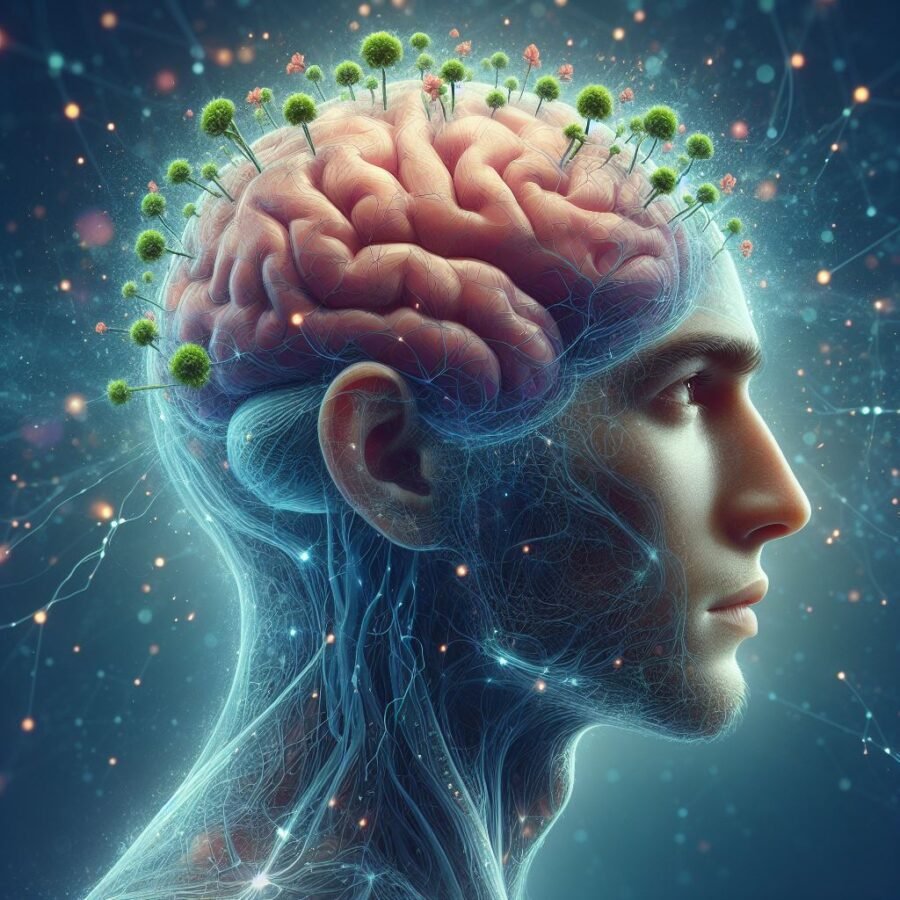
Epilepsy affects millions of people worldwide and remains one of the most complex neurological conditions of our time. For many patients and families, the search for effective seizure management can become a long and emotionally exhausting journey. Despite major advances in medicine, a significant percentage of patients continue to experience seizures even after trying multiple conventional therapies.
In recent years, cannabinoids — particularly cannabidiol (CBD) — have attracted enormous scientific and medical attention because of their potential role in neurological health and seizure support. Researchers across the world are now studying how the endocannabinoid system influences brain signaling, inflammation, and neuronal balance.
At the same time, public interest in hemp-derived cannabinoids has grown rapidly, especially after the approval of the CBD-based prescription medicine Epidiolex by the U.S. Food and Drug Administration (FDA). Scientific publications, patient experiences, and clinical trials have all contributed to a growing discussion about whether cannabinoids may help support individuals living with certain forms of epilepsy.
This article explores the science behind epilepsy and cannabinoids, explains what researchers currently understand about CBD and seizure disorders, and reviews some of the most important clinical findings available today.
Understanding Epilepsy and Seizures
A seizure occurs when electrical activity in part of the brain becomes excessively synchronized or overly excited. Normally, the brain maintains a delicate balance between excitatory and inhibitory signals. When this balance — also known as neurological homeostasis — becomes disrupted, neurons may begin firing abnormally.
This excessive electrical activity can spread to surrounding brain cells, creating a chain reaction that leads to a seizure episode. In some individuals, seizures may be triggered by genetic factors, traumatic brain injuries, inflammation, infections, developmental conditions, or unknown causes.
Epilepsy itself is not a single disease but rather a broad category of neurological disorders characterized by recurring seizures.
Although modern anti-epileptic drugs (AEDs) help many people reduce seizure frequency, they are not universally effective. Scientific data suggest that approximately one-third of epilepsy patients continue to experience seizures despite trying multiple appropriately prescribed medications.
For this reason, researchers continue exploring alternative approaches and supportive therapies that may complement traditional neurological care.
The Endocannabinoid System and Brain Function
To understand why cannabinoids are being studied in epilepsy research, it is important to understand the endocannabinoid system (ECS).
The ECS is a complex biological signaling network found throughout the human body. It plays a role in maintaining balance within many physiological systems, including mood, stress response, sleep, immune activity, pain perception, appetite, and neurological communication.
Two major receptors are commonly discussed in cannabinoid research:
- CB1 receptors, found predominantly in the brain and central nervous system
- CB2 receptors, found mainly in immune tissues and peripheral organs
CB1 receptors are especially abundant in brain regions involved in memory, emotional regulation, and neural communication, including the hippocampus.
The hippocampus is particularly important in epilepsy research because abnormal cellular activity within this brain region is associated with temporal lobe epilepsy, one of the most common forms of epilepsy.
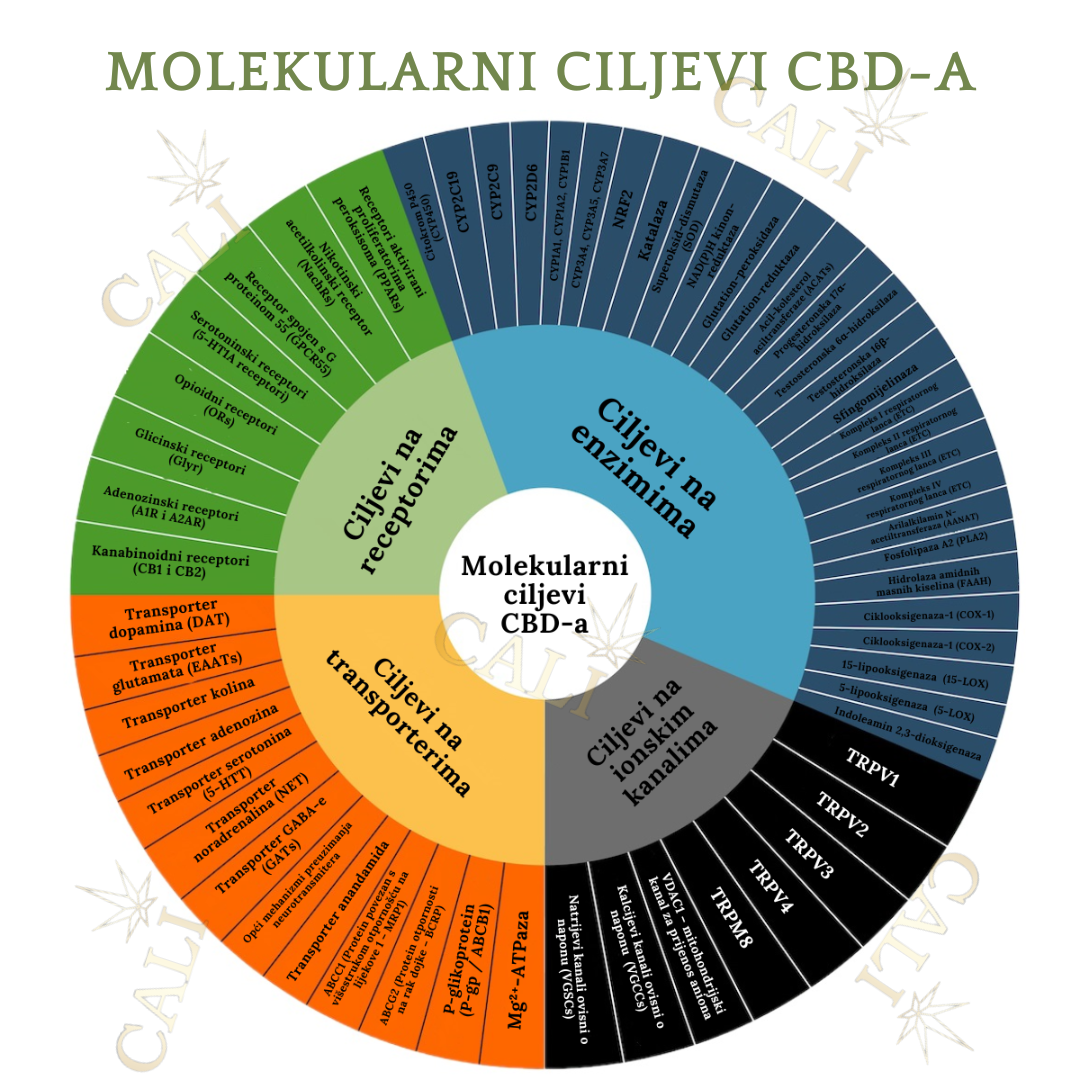
Preclinical studies suggest that cannabinoids may influence neurotransmitter release and help regulate excessive neuronal excitation. Researchers are currently investigating whether modulation of the endocannabinoid system could support neurological stability under certain conditions.
Why CBD Became the Focus of Epilepsy Research
Among the many cannabinoids found in hemp and cannabis plants, cannabidiol (CBD) has received the greatest scientific attention for seizure-related research.
Unlike tetrahydrocannabinol (THC), CBD is non-intoxicating and does not produce the euphoric “high” commonly associated with cannabis.
Scientists became increasingly interested in CBD after early laboratory studies and observational reports suggested potential anticonvulsant properties. Over time, larger clinical trials began evaluating purified CBD formulations in severe childhood epilepsy syndromes.
This eventually led to the approval of Epidiolex, a prescription CBD medication authorized for specific rare forms of epilepsy, including:
- Dravet syndrome
- Lennox-Gastaut syndrome
- Tuberous sclerosis complex
The approval of Epidiolex marked a historic milestone because it represented one of the first cannabis-derived medicines approved through rigorous pharmaceutical clinical testing. You can explore the official FDA-approved documentation here.
Importantly, this approval does not mean CBD cures epilepsy. Rather, it demonstrates that purified cannabidiol may help reduce seizure frequency in some patients under medical supervision.
Full-Spectrum CBD vs CBD Isolate: What Research Suggests
One of the most discussed topics in cannabinoid science is the difference between full-spectrum hemp extracts and isolated CBD.
CBD isolate contains purified cannabidiol with minimal amounts of other naturally occurring plant compounds.
Full-spectrum extracts, on the other hand, contain a broader range of cannabinoids, terpenes, flavonoids, and naturally occurring hemp compounds.
Some researchers believe these compounds may work together in what is commonly referred to as the “entourage effect.” This theory suggests that cannabinoids and terpenes may influence each other’s biological activity when consumed together.
A widely referenced meta-analysis conducted by Brazilian researchers Fabricio Pamplona, Lorenzo Rolim da Silva, and Ana Carolina Coan examined data from 11 studies involving approximately 670 patients treated with CBD-rich products over an average period of six months.
The researchers focused primarily on treatment-resistant childhood epilepsies such as:
- Dravet syndrome
- Lennox-Gastaut syndrome
- CDKL5 deficiency disorder
Their analysis reported that approximately 71% of patients using full-spectrum CBD-rich extracts experienced a reduction in seizure frequency, compared to approximately 46% of those using purified CBD isolates.
The researchers also observed notable differences in dosage requirements.
Average daily doses reported in the analysis included:
- Approximately 25.3 mg/kg/day for CBD isolates
- Approximately 6.0 mg/kg/day for full-spectrum extracts
Additionally, mild side effects appeared less frequently among users of full-spectrum products compared with purified isolates.
These findings generated significant scientific interest because they raised important questions about whether additional hemp compounds may contribute to the observed effects.
However, researchers also emphasized the need for larger, placebo-controlled clinical trials to better understand efficacy, dosing, safety, and long-term outcomes.
Reported Side Effects and Safety Considerations
One reason cannabinoids continue attracting attention in neurological research is their relatively favorable safety profile compared with many traditional pharmaceuticals.
Reported side effects associated with CBD products in clinical studies may include:
- Fatigue
- Sleepiness or somnolence
- Reduced appetite
- Gastrointestinal discomfort
- Changes in liver enzyme levels
Most side effects reported in studies were classified as mild to moderate.
However, cannabinoids are biologically active compounds and may interact with medications, including anti-epileptic drugs. Because of this, individuals should always consult a qualified healthcare professional before using cannabinoid products — especially when managing neurological conditions.
This is particularly important for children, individuals taking prescription medications, pregnant or breastfeeding women, and patients with liver-related conditions.
What Current Research Still Cannot Fully Answer
Although cannabinoid science has progressed rapidly, many important questions remain unanswered.
Researchers are still investigating:
- Optimal cannabinoid ratios
- Long-term neurological effects
- Individual differences in response
- Interactions with anti-epileptic medications
- The role of terpenes and minor cannabinoids
- Best delivery methods and formulations
Scientific understanding of the endocannabinoid system is still evolving, and experts continue emphasizing the importance of evidence-based research rather than exaggerated health claims.
This is particularly relevant in Europe, where hemp-derived products are regulated differently across countries and where strict rules apply to medical claims and product marketing.
Consumers should be cautious of companies promising miracle cures or guaranteed seizure elimination. Responsible education and transparency remain essential.
Why Product Quality Matters
Not all CBD products are created equally.
The growing popularity of hemp-derived cannabinoids has led to a rapidly expanding market, but product quality can vary dramatically between manufacturers.
Factors that may influence product quality include:
- Source of hemp
- Extraction method
- Presence of contaminants
- Cannabinoid concentration accuracy
- Third-party laboratory testing
- Stability and formulation technology
Consumers increasingly seek products that provide transparent laboratory analysis, verified cannabinoid profiles, and clear ingredient disclosure.
Modern formulation technologies such as nanoemulsions and water-soluble cannabinoid systems are also attracting attention because researchers believe bioavailability may influence how efficiently cannabinoids are absorbed.
Although more research is needed, improving cannabinoid delivery systems remains one of the fastest-growing areas of innovation within the hemp industry.
The Future of Cannabinoid Research in Neurology
The scientific conversation surrounding cannabinoids and neurological health is still in its early stages.
Researchers worldwide continue investigating how cannabinoids interact with inflammation, oxidative stress, neuroprotection, and neuronal communication.
Several emerging areas of interest include:
- Neurodegenerative diseases
- Brain injury recovery
- Sleep regulation
- Anxiety and stress-related disorders
- Neuroinflammation
- Seizure-related disorders
As research expands, scientists hope to better understand how cannabinoids may support overall neurological balance while identifying which patient populations may benefit the most.
The future will likely depend on:
- Higher-quality clinical trials
- Better cannabinoid standardization
- Personalized treatment approaches
- Advanced delivery technologies
- Greater physician education
A Balanced Perspective on CBD and Epilepsy
The growing body of cannabinoid research represents an important development in modern neuroscience.
CBD has demonstrated promising results in specific epilepsy-related clinical settings, particularly among certain treatment-resistant syndromes. At the same time, researchers continue emphasizing that cannabinoids are not a universal solution and should not replace professional medical care.
What makes this field so compelling is the possibility that the endocannabinoid system may play a much larger role in neurological balance than previously understood.
For patients, families, scientists, and healthcare professionals alike, cannabinoid research offers hope for a future in which neurological support becomes more individualized, more precise, and potentially more effective.
As scientific understanding continues evolving, responsible education and evidence-based discussion remain the most important tools for helping consumers make informed decisions.
Important Disclaimer
This article is intended strictly for educational and informational purposes only.
It does not constitute medical advice, diagnosis, or treatment recommendations.
CBD products are not intended to diagnose, treat, cure, or prevent any disease unless specifically approved by relevant regulatory authorities.
Individuals experiencing seizures or neurological symptoms should always consult a licensed healthcare professional.
Regulations regarding hemp-derived cannabinoids vary between countries and regions within the European Union.
Scientific References and Further Reading
- Devinsky O, Cross JH, Laux L, et al. Trial of Cannabidiol for Drug-Resistant Seizures in the Dravet Syndrome. New England Journal of Medicine. 2017;376(21):2011–2020.
- Devinsky O, Patel AD, Cross JH, et al. Effect of Cannabidiol on Drop Seizures in the Lennox–Gastaut Syndrome. New England Journal of Medicine. 2018;378:1888–1897.
- Thiele EA, Marsh ED, French JA, et al. Cannabidiol in patients with seizures associated with Lennox-Gastaut syndrome. Lancet. 2018;391(10125):1085–1096.
- Pamplona FA, Rolim da Silva L, Coan AC. Potential Clinical Benefits of CBD-Rich Cannabis Extracts over Purified CBD in Treatment-Resistant Epilepsy: Observational Data Meta-analysis. Frontiers in Neurology. 2018;9:759.
- Rosenberg EC, Tsien RW, Whalley BJ, Devinsky O. Cannabinoids and Epilepsy. Neurotherapeutics. 2015;12(4):747–768.
- Perucca E. Cannabinoids in the Treatment of Epilepsy: Hard Evidence at Last? Journal of Epilepsy Research. 2017;7(2):61–76.
- National Institute of Neurological Disorders and Stroke (NINDS). Epilepsy Information Page.
- World Health Organization (WHO). Cannabidiol (CBD) Critical Review Report. Expert Committee on Drug Dependence.
- Friedman D, Devinsky O. Cannabinoids in the Treatment of Epilepsy. New England Journal of Medicine. 2015;373:1048–1058.
- Ibeas Bih C, Chen T, Nunn AVW, Bazelot M, Dallas M, Whalley BJ. Molecular Targets of Cannabidiol in Neurological Disorders. Neurotherapeutics. 2015;12(4):699–730.
- Gaston TE, Friedman D. Pharmacology of Cannabinoids in the Treatment of Epilepsy. Epilepsy & Behavior. 2017;70(Pt B):313–318.
- U.S. Food and Drug Administration (FDA). Epidiolex Prescribing Information and Approval Documentation.