Allergies have become one of the fastest-growing global health concerns of modern society. From seasonal pollen allergies and dust sensitivity to skin irritation and respiratory discomfort, millions of people worldwide experience allergic reactions that affect their daily comfort, sleep quality, productivity, and overall well-being.
According to global health estimates, allergic diseases continue increasing in prevalence across both children and adults, particularly in industrialized countries. Environmental pollution, lifestyle changes, chronic stress, and immune system imbalance are all believed to contribute to this growing trend.
For many people, allergy season is no longer limited to springtime. Depending on climate conditions and environmental exposure, allergy symptoms may persist throughout large portions of the year.
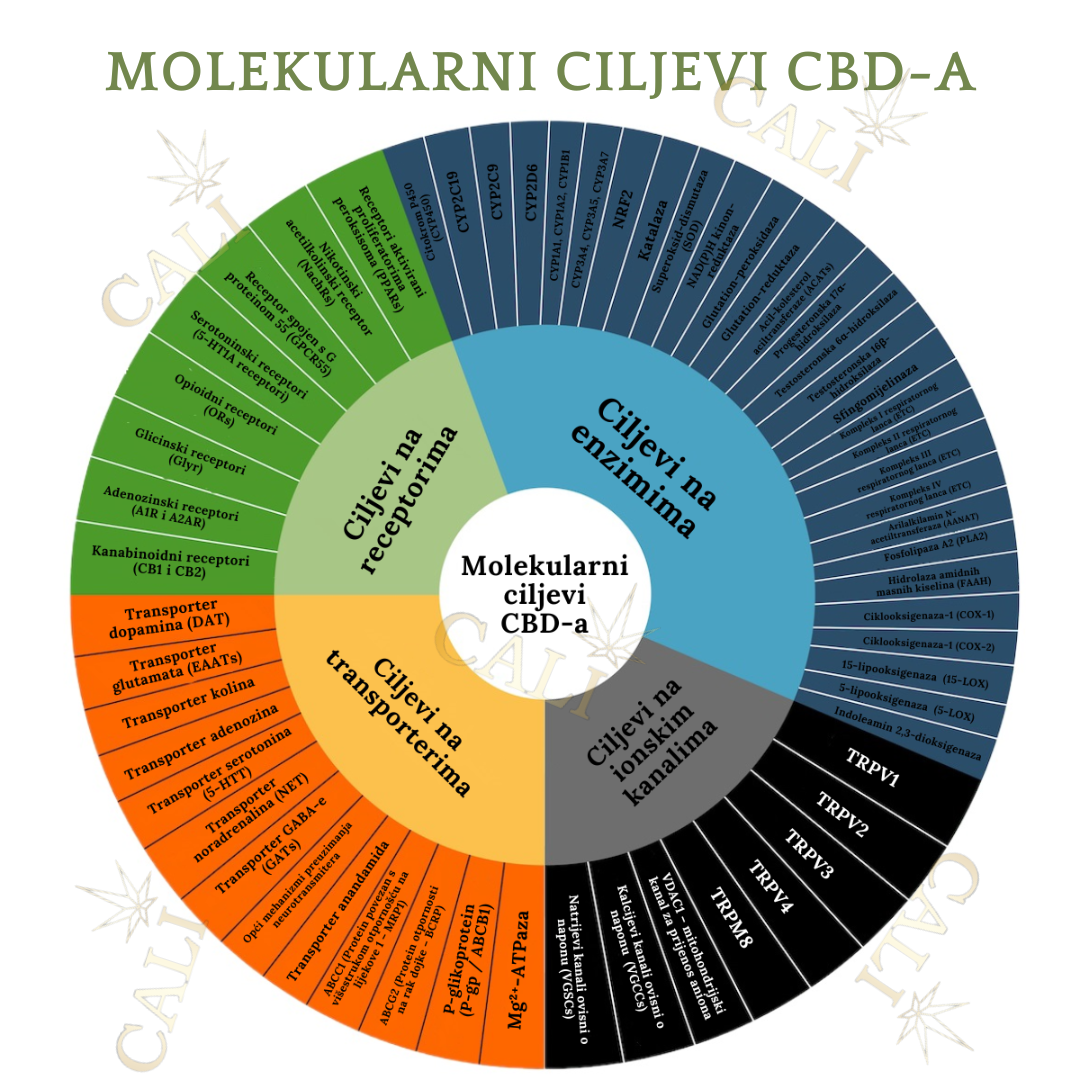
As interest in natural wellness and plant-based compounds continues expanding, researchers have increasingly started exploring whether cannabinoids such as CBD may influence inflammatory pathways, immune signaling, and histamine-related responses associated with allergies.
This article explores what science currently says about allergies, histamine release, the immune system, and the potential role of CBD and hemp-derived compounds in supporting overall balance and comfort.
What Are Allergies?
An allergy occurs when the immune system overreacts to a normally harmless substance known as an allergen.
Common allergens may include:
- Pollen
- Dust mites
- Mold spores
- Grass
- Pet dander
- Certain foods
- Insect venom
When a sensitive individual encounters an allergen, the immune system may mistakenly identify it as a threat and trigger a defensive response.
This immune overreaction can result in symptoms such as:
- Sneezing
- Nasal congestion
- Itchy eyes
- Runny nose
- Skin irritation
- Coughing
- Respiratory discomfort
According to the American College of Allergy, Asthma & Immunology, allergic conditions are among the most common chronic diseases worldwide.
What Happens During an Allergic Reaction?
An allergic reaction begins when the immune system becomes sensitized to a specific allergen.
During this process, the body produces antibodies known as immunoglobulin E (IgE).
These antibodies attach themselves to immune cells called mast cells, which are rich in histamine and inflammatory mediators.
When the body encounters the allergen again, the allergen binds to IgE antibodies and triggers mast cell activation.
This leads to the release of histamine and other inflammatory compounds into surrounding tissues.
Histamine release may contribute to:
- Swelling
- Itching
- Mucus production
- Redness
- Nasal congestion
- Airway irritation
This inflammatory cascade is responsible for many classic allergy symptoms.
Why Inflammation and Immune Balance Matter
Modern allergy research increasingly focuses on chronic inflammation and immune system regulation.
The immune system is designed to protect the body from harmful threats, but in allergic individuals, immune signaling may become excessively reactive.
Scientists now understand that allergy-related inflammation involves complex communication between immune cells, cytokines, mast cells, and inflammatory mediators.
Because of this, researchers have become interested in biological systems that help regulate immune balance — including the endocannabinoid system.
The endocannabinoid system (ECS) is a signaling network involved in maintaining homeostasis throughout the body.
Research suggests the ECS may influence:
- Immune responses
- Inflammatory signaling
- Stress regulation
- Skin health
- Respiratory function
- Nervous system communication
Modern allergy research increasingly focuses on chronic inflammation and immune system regulation.
The immune system is designed to protect the body from harmful threats, but in allergic individuals, immune signaling may become excessively reactive.
Scientists now understand that allergy-related inflammation involves complex communication between immune cells, cytokines, mast cells, and inflammatory mediators.
Because of this, researchers have become interested in biological systems that help regulate immune balance — including the endocannabinoid system.
The endocannabinoid system (ECS) is a signaling network involved in maintaining homeostasis throughout the body.
Research suggests the ECS may influence:
- Immune responses
- Inflammatory signaling
- Stress regulation
- Skin health
- Respiratory function
- Nervous system communication
This growing understanding has encouraged scientists to investigate how cannabinoids may interact with inflammatory pathways associated with allergic responses.
Why CBD Became a Focus in Allergy Research
Cannabidiol (CBD) is a naturally occurring cannabinoid found in hemp plants.
Unlike THC, CBD is considered non-intoxicating and does not produce the euphoric “high” commonly associated with cannabis.
Researchers became interested in CBD because preclinical studies suggested it may interact with inflammatory signaling pathways and immune regulation mechanisms.
Several studies have explored whether cannabinoids may influence cytokine activity, oxidative stress, and inflammatory responses within the immune system.
Importantly, current research is still developing, and many findings remain preliminary.
However, scientific interest in cannabinoids and immune modulation continues growing rapidly.
CBD, Histamine, and Immune Signaling
One reason CBD attracted attention in allergy-related research is its potential relationship with inflammatory signaling pathways associated with histamine release.
Histamine plays a central role in many allergic reactions.
Some researchers believe cannabinoids may influence immune cell communication and inflammatory mediator activity through interactions with the ECS.
Scientific reviews discussing cannabinoids and immune regulation suggest cannabinoids may demonstrate immunomodulatory effects, meaning they may help influence how immune responses are regulated under certain conditions.
This does not mean CBD acts as a medication or replacement for conventional allergy treatment.
However, researchers continue investigating whether cannabinoids may support overall inflammatory balance.
CBD and Respiratory Inflammation Research
Scientists have also investigated cannabinoids in relation to respiratory inflammation and airway function.
A frequently referenced preclinical study evaluating CBD and allergic asthma observed reductions in airway inflammation markers in animal models.
Researchers reported that CBD administration appeared to reduce inflammatory cytokine activity and airway hyperresponsiveness under experimental conditions.
Airway hyperresponsiveness refers to excessive narrowing or sensitivity of the airways often associated with inflammatory respiratory reactions.
Although these findings are scientifically interesting, animal studies cannot automatically predict identical effects in humans.
Further human clinical research remains necessary.
Could CBD Support Seasonal Wellness?
Seasonal allergies are often triggered by environmental allergens such as:
- Tree pollen
- Grass pollen
- Weed pollen
- Mold spores
During periods of high allergen exposure, many people experience increased inflammation and immune sensitivity.
Because cannabinoids are being investigated for their interaction with inflammatory pathways, some consumers have become interested in incorporating hemp-derived products into broader wellness routines.
Potential areas researchers continue exploring include:
- Inflammatory balance
- Respiratory comfort
- Skin irritation
- Stress-related immune responses
- General wellness support
Importantly, CBD products should not be promoted as treatments or cures for allergies unless specifically approved by relevant regulatory authorities.
Responsible education and realistic expectations remain essential.
CBD and Skin Irritation
The endocannabinoid system also appears to play a role in skin physiology and barrier regulation.
Researchers have identified ECS components within the skin itself, which has increased interest in cannabinoid-based skincare research.
Several studies suggest cannabinoids may influence inflammatory skin responses and skin homeostasis.
This has led to growing scientific and cosmetic interest in topical CBD formulations for:
- Dry skin
- Sensitive skin
- Redness
- Irritated skin
- Barrier support
A scientific review discussing cannabinoids and skin health highlighted the potential involvement of the ECS in maintaining healthy skin function.
Additional studies continue exploring cannabinoids in relation to inflammatory skin conditions such as eczema and dermatitis.
However, larger human studies are still needed before definitive conclusions can be made.
Why Product Quality Matters
As demand for CBD products continues increasing across Europe, product quality has become one of the most important consumer concerns.
Not all hemp-derived products are created equally.
Factors influencing quality may include:
- Hemp source
- Extraction method
- Third-party testing
- Cannabinoid profile
- Ingredient transparency
- Presence of contaminants
- Stability of formulation
Consumers increasingly seek products supported by:
- Independent laboratory analysis
- Transparent labeling
- EU-compliant manufacturing practices
- High-quality carrier ingredients
When selecting topical or ingestible hemp-derived products, quality and transparency are essential.
A Balanced Perspective on CBD and Allergies
The relationship between cannabinoids, inflammation, and immune signaling represents one of the most exciting emerging areas of modern research.
Scientists continue exploring how the endocannabinoid system may influence immune balance, inflammatory communication, respiratory health, and skin function.
Although early findings involving CBD and inflammatory pathways are promising, it is important to approach the topic responsibly and avoid exaggerated claims.
CBD is not currently approved as a cure or treatment for allergies in the European Union.
Nevertheless, ongoing research continues expanding our understanding of how cannabinoids may support overall wellness and physiological balance.
As science evolves, cannabinoids will likely remain an important topic within the future of wellness, skincare, and immune-related research.
Important Disclaimer
This article is intended strictly for educational and informational purposes only.
It does not constitute medical advice, diagnosis, or treatment recommendations.
CBD products are not intended to diagnose, treat, cure, or prevent any disease unless specifically approved by relevant regulatory authorities.
Individuals experiencing severe allergies, asthma, respiratory symptoms, or chronic skin conditions should consult a qualified healthcare professional.
Regulations regarding hemp-derived ingredients vary between countries and regions within the European Union.
Scientific References
- American College of Allergy, Asthma & Immunology – Allergies Overview
https://acaai.org/allergies/allergic-conditions/ - Histamine and allergic response overview
https://www.ncbi.nlm.nih.gov/books/NBK538188/ - Endocannabinoid system and immune regulation
https://www.ncbi.nlm.nih.gov/pmc/articles/PMC3349875/ - WHO Critical Review Report on CBD
https://www.who.int/publications/m/item/cannabidiol-(cbd)-critical-review-report - Cannabinoids and immune modulation research
https://www.ncbi.nlm.nih.gov/pmc/articles/PMC2828614/ - Cannabinoids and skin physiology review
https://www.ncbi.nlm.nih.gov/pmc/articles/PMC2757311/