In a world driven by deadlines, notifications, stress, and constant mental stimulation, millions of people struggle with low energy, brain fog, poor concentration, and chronic fatigue. Coffee and energy drinks may provide temporary stimulation, but they often come with crashes, anxiety, and disrupted sleep.
This is one of the reasons why interest in cannabidiol (CBD) has grown dramatically across Europe and worldwide. More people are exploring hemp-derived cannabinoids not only for relaxation, but also for supporting mental clarity, emotional balance, recovery, and sustainable energy levels.
But can CBD really help improve focus and energy?
Emerging scientific research suggests that the answer may be more complex — and more interesting — than many people expect.
Unlike stimulants that force the nervous system into overdrive, CBD appears to work by interacting with the body’s own regulatory network known as the endocannabinoid system (ECS) — a system involved in maintaining internal balance, also known as homeostasis.
Understanding the Endocannabinoid System (ECS)
The endocannabinoid system is a biological signaling system found throughout the human body. It plays an important role in regulating functions such as:
- Mood
- Sleep
- Stress response
- Memory
- Appetite
- Pain perception
- Immune balance
- Cognitive performance
The ECS consists primarily of:
- Endocannabinoids (naturally produced signaling molecules)
- Cannabinoid receptors (CB1 and CB2)
- Enzymes that build and break down cannabinoids
Researchers believe the ECS acts as a balancing mechanism that helps the body adapt to internal and external stressors.
Scientific literature suggests that disruptions in endocannabinoid signaling may be associated with fatigue, mood imbalance, stress sensitivity, sleep disturbances, and cognitive dysfunction.
You can explore a detailed overview of the ECS in this review published in the National Center for Biotechnology Information (NCBI):
https://www.ncbi.nlm.nih.gov/pmc/articles/PMC5877694/
How CBD May Support Energy and Focus
Unlike caffeine or stimulants, CBD does not directly “boost” energy through overstimulation. Instead, research suggests it may support several underlying systems that influence how energized, motivated, and mentally clear we feel throughout the day.
1. CBD May Influence Serotonin Signaling
Serotonin is commonly referred to as the “feel-good neurotransmitter.” It plays an important role in:
- Mood regulation
- Emotional stability
- Sleep quality
- Motivation
- Energy balance
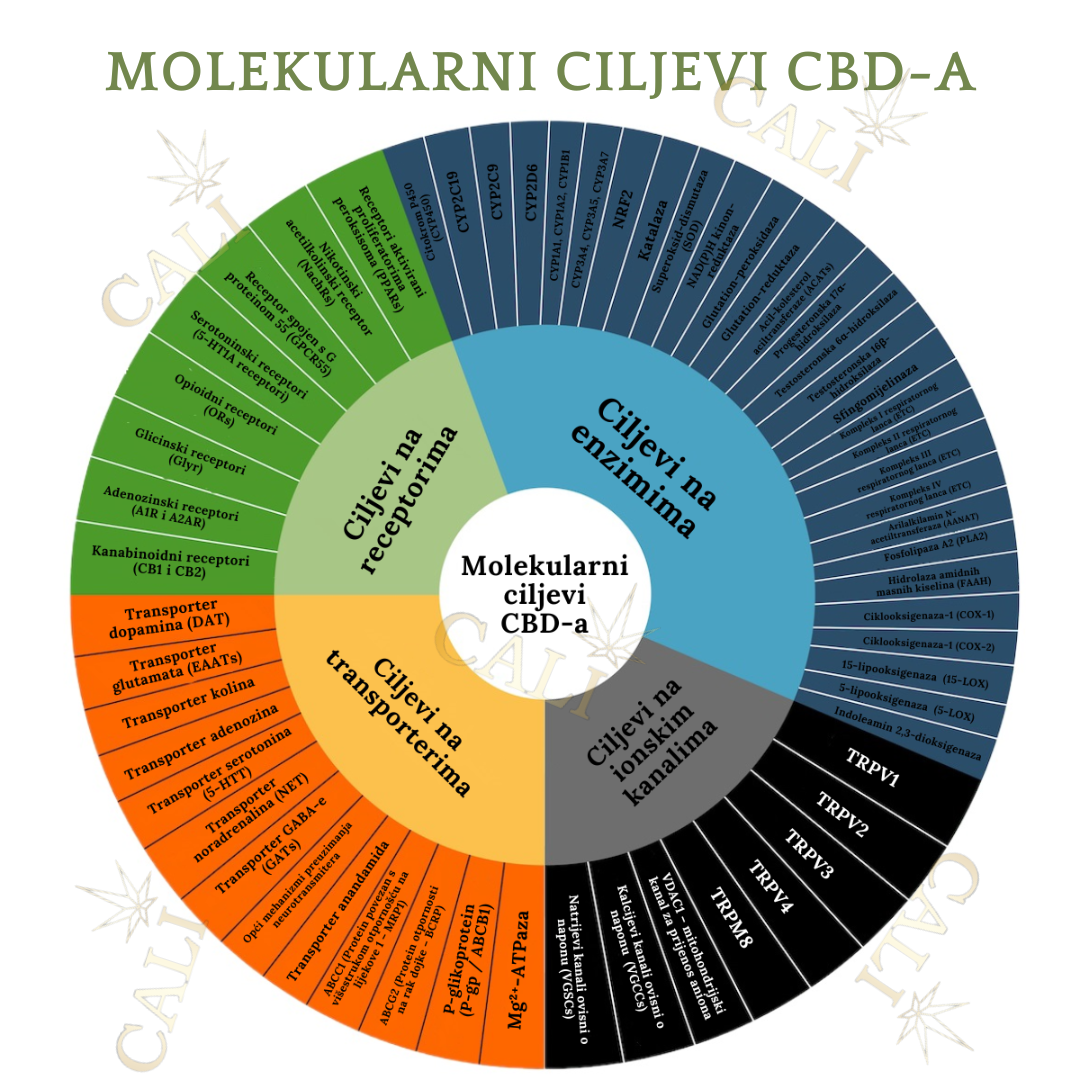
Preclinical studies suggest CBD may interact with serotonin signaling pathways, particularly through the 5-HT1A receptor.
A scientific review discussing CBD and serotonin receptor activity can be found here:
https://pubmed.ncbi.nlm.nih.gov/24923339/
Balanced serotonin signaling may contribute to improved emotional resilience and mental performance, particularly during periods of stress or fatigue.
2. CBD and Wakefulness
While many people associate CBD with relaxation, some research suggests lower or moderate doses may support alertness in certain individuals.
A 2014 animal study examining wake-related effects of CBD observed increased dopamine levels in areas of the brain associated with alertness and wakefulness.
Study source:
https://www.ncbi.nlm.nih.gov/pmc/articles/PMC4023456/
Dopamine is involved in:
- Motivation
- Reward perception
- Attention
- Learning
- Goal-directed behavior
This may partly explain why some users report feeling more productive, focused, or mentally balanced when using certain CBD formulations.
However, effects may vary significantly depending on:
- Dosage
- Individual biology
- Product formulation
- Time of use
- Presence of other cannabinoids and terpenes
Stress, Cortisol & Mental Fatigue
One of the most overlooked causes of exhaustion is chronic stress.
Long-term stress can elevate cortisol levels, disrupt sleep, impair cognitive function, and contribute to emotional burnout.
Research suggests the ECS plays a central role in stress regulation. Chronic stress may impair endocannabinoid signaling and reduce levels of anandamide — often nicknamed the “bliss molecule.”
Scientific discussion on stress and the ECS:
https://pubmed.ncbi.nlm.nih.gov/27713369/
CBD has been investigated for its potential to support stress resilience by influencing ECS activity and neurotransmitter balance.
Importantly, hemp-derived cannabinoids should not be viewed as a replacement for healthy sleep, nutrition, exercise, or mental health support. Instead, they may serve as part of a broader wellness strategy.
Can Better Sleep Improve Daytime Energy?
Absolutely.
Poor sleep quality is one of the leading contributors to daytime fatigue and poor concentration.
Several studies have explored whether CBD may help support healthier sleep patterns in some individuals, particularly where stress or discomfort interferes with rest.
A 2022 review examining cannabinoids and sleep research can be found here:
https://pubmed.ncbi.nlm.nih.gov/36149724/
Better sleep often translates into:
- Improved concentration
- Better mood
- Faster recovery
- More stable energy throughout the day
This may explain why many users report improved daytime performance after establishing a consistent nighttime wellness routine involving CBD.
Full Spectrum vs CBD Isolate: Why Many Consumers Prefer Full Spectrum Hemp Extracts
One of the most discussed topics in cannabinoid science is the so-called “entourage effect.”
The entourage effect describes the theory that cannabinoids, terpenes, and flavonoids may work synergistically when consumed together.
Full spectrum hemp extracts typically contain:
- CBD
- Minor cannabinoids (CBG, CBC, trace THC within legal EU limits)
- Terpenes
- Flavonoids
In contrast, CBD isolate contains purified cannabidiol only.
Many consumers report that full spectrum formulations feel more balanced and effective compared to isolates, although research in this area is still evolving.
Review discussing cannabinoid synergy:
https://www.ncbi.nlm.nih.gov/pmc/articles/PMC7324885/
CBD, Recovery & Physical Fatigue
Physical discomfort and inflammation can significantly affect focus and productivity.
Research suggests cannabinoids may influence inflammatory pathways and pain signaling systems.
Scientific review on cannabinoids and pain modulation:
https://pubmed.ncbi.nlm.nih.gov/28576350/
By supporting post-exercise recovery or helping reduce physical discomfort, CBD products may indirectly contribute to improved daily function and concentration.
Finding the Right CBD Routine
There is no universal dosage for energy or focus support.
Individual responses vary based on:
- Body weight
- Metabolism
- Lifestyle
- Sleep quality
- Stress levels
- Product quality
- Cannabinoid profile
Many users begin with a lower serving size and gradually adjust over time while monitoring how they feel.
Consistency also appears important. Some users report that benefits become more noticeable after regular daily use rather than occasional use.
Choosing High-Quality CBD Products
Not all CBD products are created equal.
When shopping for hemp-derived products in Europe, consumers should look for:
- Third-party laboratory testing
- Clear cannabinoid content
- THC compliance with EU regulations
- Transparent sourcing
- Clean extraction methods
- Full ingredient disclosure
Low-quality products may contain inaccurate cannabinoid levels or unwanted contaminants.
Important Legal & Medical Disclaimer
CBD products available within the European Union are not intended to diagnose, treat, cure, or prevent any disease.
The information in this article is provided for educational and informational purposes only and should not be interpreted as medical advice.
Individuals with medical conditions, those taking prescription medications, pregnant or breastfeeding women, or anyone with concerns regarding cannabinoid use should consult a qualified healthcare professional before using CBD products.
Final Thoughts
Modern life places enormous pressure on the human body and mind. Stress, poor sleep, constant stimulation, and burnout have become increasingly common across all age groups.
Emerging research suggests that CBD and the endocannabinoid system may play an interesting role in supporting balance, resilience, recovery, and mental well-being.
Rather than acting like a stimulant, CBD appears to work more subtly — supporting the systems that influence how we feel, recover, focus, and function each day.
For many people, that balanced approach may be exactly what sustainable energy actually looks like.
Scientific References & Research
- The Endocannabinoid System Overview
https://www.ncbi.nlm.nih.gov/pmc/articles/PMC5877694/ - CBD and Wakefulness Study (2014)
https://www.ncbi.nlm.nih.gov/pmc/articles/PMC4023456/ - CBD and Serotonin Receptors
https://pubmed.ncbi.nlm.nih.gov/24923339/ - Stress, Endocannabinoids & Anxiety
https://pubmed.ncbi.nlm.nih.gov/27713369/ - Cannabinoids and Sleep Review (2022)
https://pubmed.ncbi.nlm.nih.gov/36149724/ - Cannabinoid Synergy & Entourage Effect
https://www.ncbi.nlm.nih.gov/pmc/articles/PMC7324885/ - Cannabinoids and Pain Modulation
https://pubmed.ncbi.nlm.nih.gov/28576350/ - ECS and Neuroprotection Review
https://www.ncbi.nlm.nih.gov/pmc/articles/PMC7700528/ - Cannabinoids and Mood Regulation
https://pubmed.ncbi.nlm.nih.gov/16844117/ - CBD and Neurotransmitter Modulation
https://pubmed.ncbi.nlm.nih.gov/24934539/