Aging is a natural part of life — but the biological processes behind aging are far more complex than simply “getting older.” Over time, the body becomes increasingly affected by oxidative stress, chronic inflammation, mitochondrial dysfunction, and gradual cellular damage. These mechanisms are closely linked with many age-related conditions, including cognitive decline, cardiovascular disease, arthritis, neurodegenerative disorders, and reduced overall vitality.
For decades, anti-aging research focused primarily on pharmaceuticals and synthetic interventions. Today, however, scientists are increasingly exploring natural compounds with broad therapeutic potential — and cannabis is emerging as one of the most promising candidates.
Rich in cannabinoids, terpenes, flavonoids, and other bioactive compounds, cannabis interacts with one of the body’s most important regulatory systems: the endocannabinoid system (ECS). Early and preclinical research suggests that certain cannabinoids may help support healthy aging by reducing inflammation, protecting neurons, regulating oxidative stress, and supporting cellular balance.
In this article, we’ll explore the science behind cannabis and aging, the role of cannabinoids such as CBD, THC, CBG, CBN, THCA, and CBGA, and why full-spectrum hemp extracts may offer unique advantages through the so-called “entourage effect.”
Understanding the Biology of Aging
Aging is associated with several interconnected biological processes, including:
- Chronic low-grade inflammation (“inflammaging”)
- Oxidative stress caused by free radicals
- Reduced mitochondrial efficiency
- Cellular senescence
- Impaired neurogenesis (the formation of new brain cells)
- Dysregulation of the immune system
These processes contribute to the development of age-related diseases such as:
- Alzheimer’s disease
- Parkinson’s disease
- Cardiovascular disease
- Arthritis
- Metabolic disorders
- Cognitive decline
- Gastrointestinal dysfunction
One of the body’s key defense and regulatory networks involved in these processes is the endocannabinoid system (ECS).
The ECS helps regulate:
- Immune function
- Mood and stress response
- Sleep
- Pain perception
- Inflammation
- Neuroprotection
- Energy balance
- Gastrointestinal function
As we age, ECS activity and receptor functionality may decline. Researchers believe this reduction in endocannabinoid signaling could contribute to age-related imbalance throughout the body.
This is one reason cannabinoids are now being studied for their potential role in supporting healthy aging and maintaining homeostasis.
How Cannabis May Help Support Healthy Aging
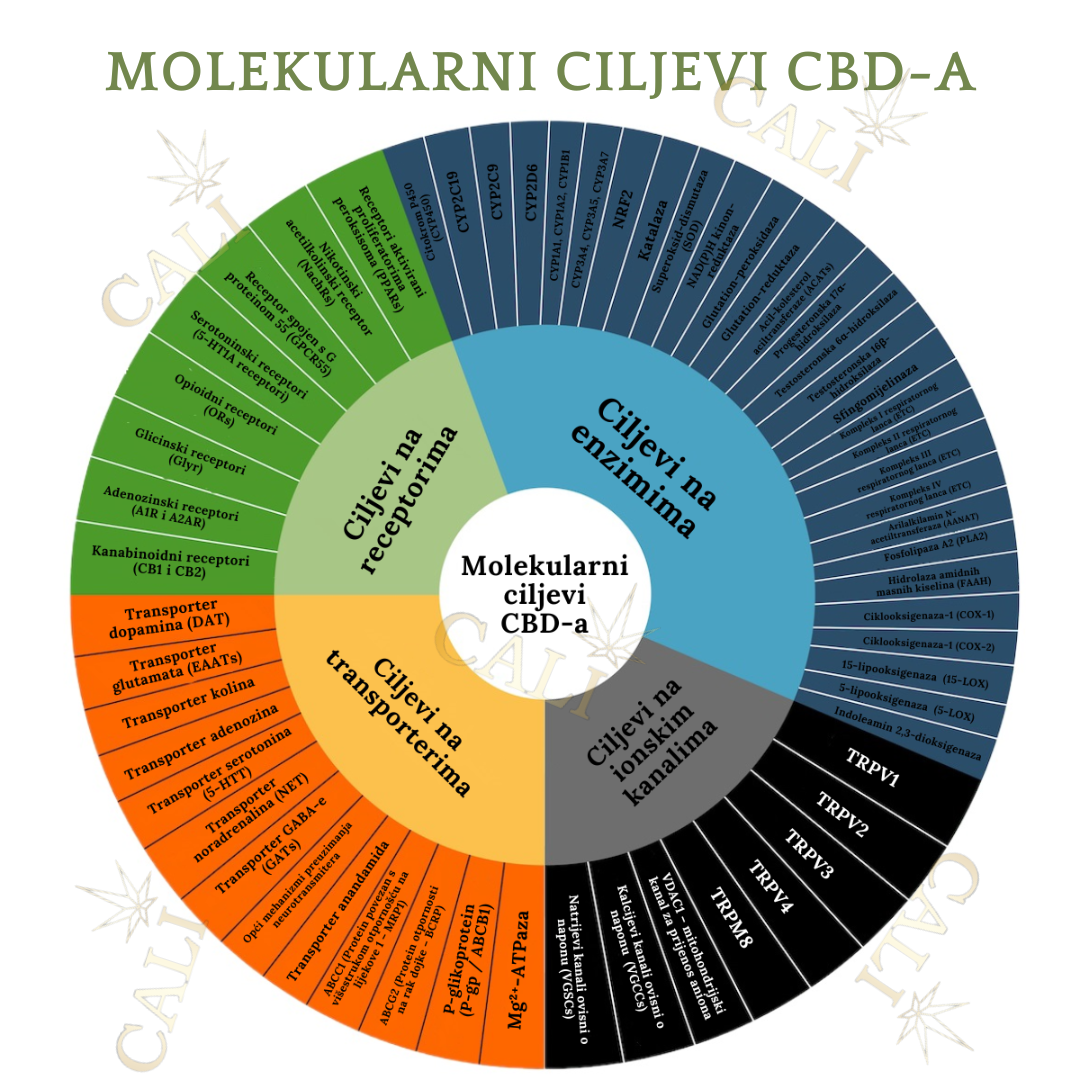
Cannabinoids primarily interact with CB1 and CB2 receptors found throughout the nervous system, immune system, and peripheral tissues.
Preclinical and emerging human research suggests cannabinoids may influence several mechanisms associated with aging
1. Supporting a Healthy Inflammatory Response
Chronic inflammation is considered one of the major drivers of biological aging.
Research suggests cannabinoids such as CBD and THC may help modulate inflammatory pathways by interacting with immune cells and reducing the release of pro-inflammatory cytokines.
Studies discussing cannabinoid-related anti-inflammatory activity:
By supporting a balanced inflammatory response, cannabinoids may help promote overall wellness and healthy aging.
2. Antioxidant Protection Against Oxidative Stres
Oxidative stress occurs when free radicals damage cells faster than the body can neutralize them.
This process is heavily associated with:
- Cellular aging
- Neurodegeneration
- Cardiovascular disease
- Skin aging
- Reduced cognitive performance
CBD and several acidic cannabinoids such as CBGA have demonstrated antioxidant properties in laboratory and preclinical studies.
Research suggests CBD interacts with components of the body’s redox system and may help reduce oxidative stress:
This antioxidant activity is one reason cannabinoids are increasingly being investigated in longevity and healthy-aging research.
3. Neuroprotection & Cognitive Health
One of the most exciting areas of cannabinoid research involves brain health and neuroprotection.
A groundbreaking 2017 study from researchers in Germany and Israel found that low doses of THC restored cognitive performance in older mice to levels comparable with younger animals.
Study:
Researchers observed improvements in:
- Learning ability
- Memory performance
- Cognitive flexibility
Other cannabinoids, including CBD, CBG, THCA, and CBDA, are also being investigated for their neuroprotective properties and potential role in supporting brain health.
Additional research:
- https://www.mdpi.com/1422-0067/24/7/6827
- https://onlinelibrary.wiley.com/doi/full/10.1155/2016/2986796
Although more human clinical trials are needed, current findings are encouraging.
4. Supporting Mitochondrial Function
Mitochondria are often called the “powerhouses” of the cell because they generate cellular energy.
Mitochondrial dysfunction is strongly linked with aging and neurodegenerative disease.
Emerging research suggests cannabinoids such as CBN and CBGA may help support mitochondrial integrity and reduce oxidative damage.
Studies:
Healthy mitochondrial function is essential for maintaining energy production, physical vitality, and cellular longevity.
5. Gut Health & the Gut-Brain Axis
Modern research increasingly highlights the importance of gut health in aging and overall wellness.
The gut microbiome influences:
- Immune balance
- Mood
- Metabolism
- Inflammation
- Cognitive function
Some cannabinoids may help support gut balance and intestinal barrier integrity through interactions with the ECS.
This area of research is particularly interesting because chronic inflammation within the gut has been linked to multiple age-related diseases.
Key Anti-Aging Compounds Found in Cannabis
Cannabis contains hundreds of bioactive compounds. Some of the most researched include:
CBD (Cannabidiol)
CBD is widely studied for its:
- Anti-inflammatory effects
- Antioxidant activity
- Neuroprotective properties
- Potential stress-support benefits
CBD may help support cellular resilience and healthy aging pathwa
THC (Tetrahydrocannabinol)
In low doses, THC has shown potential in preclinical models for:
- Supporting neurogenesis
- Improving cognitive performance
- Reducing inflammation
- Supporting sleep quality
Importantly, THC may produce psychoactive effects, and regulations vary by countr
CBG (Cannabigerol)
CBG is being researched for:
- Neuroprotective effects
- Anti-inflammatory activity
- Potential support for brain and gut health
CBN (Canninol)
CBN is increasingly studied for:
- Sleep support
- Mitochondrial protection
- Neuroprotective potential
THCA & CBDA
These acidic cannabinoids are naturally present in raw hemp and cannabis plants before heating.
Early research suggests THCA and CBDA may possess:
- Neuroprotective properties
- Anti-inflammatory activity
- Antioxidant potential
Research:
The Entourage Effect: Why Full-Spectrum Hemp Extracts Matter
One of the most important concepts in cannabinoid science is the entourage effect.
This theory suggests cannabinoids, terpenes, and flavonoids may work synergistically, potentially producing broader effects together than in isolation.
For example:
- β-caryophyllene may support CB2 receptor activity
- Flavonoids such as quercetin provide antioxidant support
- Terpenes may influence relaxation, mood, and inflammation pathways
Research:
- https://pmc.ncbi.nlm.nih.gov/articles/PMC9775512/
- https://www.frontiersin.org/journals/plant-science/articles/10.3389/fpls.2018.01969/full
Because of this synergy, many consumers and researchers prefer full-spectrum or broad-spectrum hemp extracts over isolated cannabinoids.
What Does the Future of Cannabis & Longevity Research Look Like?
Interest in cannabis-based wellness products continues to grow rapidly across Europe and globally.
Researchers are currently exploring cannabinoids for their potential role in:
- Healthy cognitive aging
- Neuroprotection
- Sleep support
- Stress regulation
- Inflammatory balance
- Cellular resilience
However, it’s important to emphasize that research is still ongoing. Many findings remain preclinical, and additional large-scale human studies are needed to better understand optimal formulations, dosing, long-term safety, and effectiveness.
Cannabis and hemp-derived cannabinoids should not be viewed as cures or replacements for medical treatment.
Instead, they may represent a promising complementary wellness approach for supporting healthy aging and overall balance.
Choosing High-Quality Hemp Products
Not all hemp products are created equally.
When selecting cannabinoid products, consider:
- Third-party laboratory testing
- THC compliance with EU regulations
- Full-spectrum or broad-spectrum formulations
- Transparent sourcing
- Clean extraction methods
- Clearly labeled cannabinoid content
Higher-quality extracts typically preserve more of the plant’s natural compounds, including beneficial terpenes and flavonoids.
Final Thoughts
Healthy aging is about more than simply extending lifespan — it’s about supporting vitality, cognitive clarity, physical comfort, and quality of life.
Emerging cannabinoid research suggests hemp-derived compounds may help support several biological systems involved in aging, including inflammation regulation, oxidative stress response, neuroprotection, sleep, and cellular health.
While more human clinical research is needed, cannabinoids such as CBD, CBG, CBN, THCA, and low-dose THC continue to attract scientific attention for their potential role in healthy aging strategies.
As interest in plant-based wellness continues to evolve, full-spectrum hemp extracts may become an increasingly important part of future longevity and wellness discussions.
Disclaimer
This article is intended for informational and educational purposes only and should not be considered medical advice. CBD products are not intended to diagnose, treat, cure, or prevent any disease. Always consult a qualified healthcare professional before using CBD products, especially if you are pregnant, breastfeeding, taking medication, or managing a medical condition.
Scientific References & Research
- https://www.mdpi.com/1420-3049/29/2/410
- https://pmc.ncbi.nlm.nih.gov/articles/PMC9377647/
- https://pmc.ncbi.nlm.nih.gov/articles/PMC7876066/
- https://pmc.ncbi.nlm.nih.gov/articles/PMC8541184/
- https://pmc.ncbi.nlm.nih.gov/articles/PMC9781427/
- https://pubmed.ncbi.nlm.nih.gov/28481360/
- https://pmc.ncbi.nlm.nih.gov/articles/PMC5766723/
- https://pmc.ncbi.nlm.nih.gov/articles/PMC6650358/
- https://www.mdpi.com/1422-0067/23/10/5430
- https://www.ncbi.nlm.nih.gov/pmc/articles/PMC7023045/
- https://pubmed.ncbi.nlm.nih.gov/37418976/
- https://pmc.ncbi.nlm.nih.gov/articles/PMC7746344/
- https://academic.oup.com/function/article/5/1/zqad069/7462310
- https://www.mdpi.com/1422-0067/24/7/6827
- https://www.frontiersin.org/journals/plant-science/articles/10.3389/fpls.2018.01969/full
- https://onlinelibrary.wiley.com/doi/full/10.1155/2016/2986796
- https://pmc.ncbi.nlm.nih.gov/articles/PMC9775512/