Modern life exposes women to a unique combination of biological, environmental, and psychological stressors. From hormonal fluctuations throughout the menstrual cycle to pregnancy, postpartum changes, perimenopause, and menopause, the female body undergoes continuous physiological transitions.
At the same time, today’s environment introduces additional pressures: chronic stress, sleep disruption, endocrine-disrupting chemicals in cosmetics and plastics, and increasing rates of anxiety and mood disorders.
Against this background, scientific interest in cannabis-derived compounds (cannabinoids) has increased significantly — particularly in relation to women’s health, hormonal balance, sleep regulation, skin health, and emotional wellbeing.
This article explores the current scientific understanding of cannabinoids such as CBD, CBG, THC, CBDA, and CBGA, and their potential role in supporting women’s health through interaction with the endocannabinoid system (ECS).
Why Women Are Increasingly Turning to Cannabi
Recent market and public health data suggest that women represent a rapidly growing group of cannabis users. According to industry research, women now account for a majority of new cannabis consumers in several Western markets.
Common reasons women report using cannabinoids include:
- Anxiety and stress
- Sleep disturbances
- Menstrual discomfort
- Perimenopause and menopause symptoms
- Mood swings and depression
- Low libido
- Muscle and joint pain
- Skin conditions (acne, dryness, irritation)
- General hormonal imbalance
- Emotional wellbeing support
These trends align with growing interest in plant-based wellness approaches that interact with the body’s regulatory systems rather than overriding them.
The Endocannabinoid System: A Key Regulator in Women’s Health
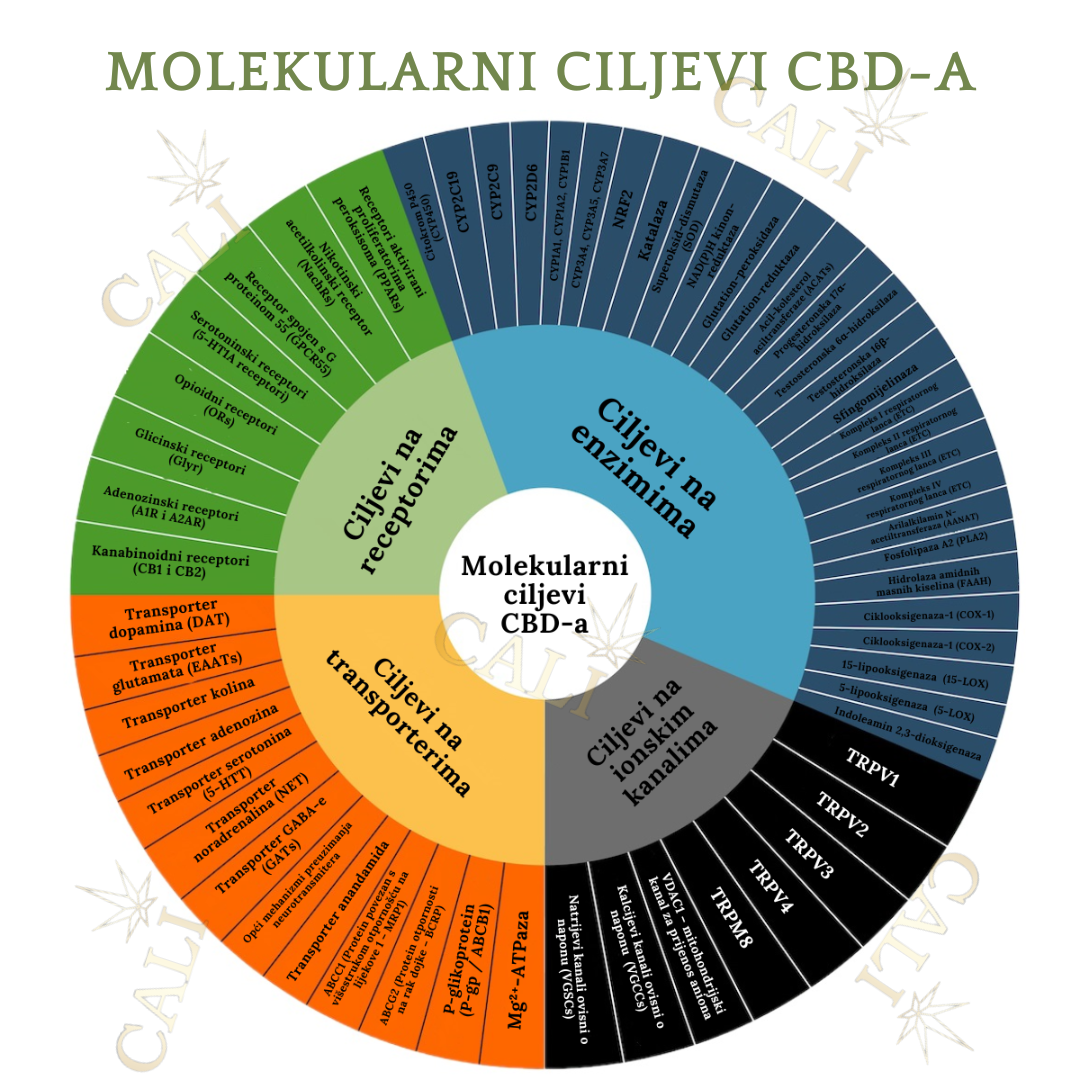
The endocannabinoid system (ECS) is a biological network composed of receptors (CB1 and CB2), endocannabinoids, and metabolic enzymes.
It plays a central role in regulating:
- Mood and emotional balance
- Stress response
- Sleep cycles
- Pain perception
- Hormonal signaling
- Immune function
- Skin homeostasis
- Reproductive system activity
Research suggests that the ECS is also involved in the regulation of reproductive hormones such as estrogen and progesterone, which may explain why cannabinoids appear to influence symptoms related to menstruation, menopause, and mood fluctuations.
Scientific overview of ECS function:
Anxiety, Depression, and Emotional Balance
Women are statistically more likely to experience anxiety and depression compared to men, particularly during periods of hormonal fluctuation such as menstruation, postpartum changes, and menopause.
Preclinical and early clinical studies suggest that cannabinoids — especially CBD — may influence serotonin signaling pathways, which are closely linked to mood regulation.
CBD does not directly increase serotonin levels, but it may interact with serotonin receptors (particularly 5-HT1A), which are associated with:
- Reduced anxiety response
- Emotional stabilization
- Stress resilience
- Improved relaxation
Research overview:
Many users report improved emotional balance and reduced stress perception when using non-intoxicating cannabinoids such as CBD, CBG, CBDA, and CBGA.
It is important to note that most strong clinical evidence is still emerging, and individual responses may vary.
Sleep Disruption in Women
Sleep disorders are significantly more common in women than men. Hormonal fluctuations across the menstrual cycle, pregnancy, and menopause can all influence sleep quality.
According to sleep research, women may be up to 40% more likely to experience insomnia during their lifetime.
Reference:
Cannabinoids such as CBD have been studied for their potential role in:
- Reducing nighttime anxiety
- Supporting relaxation
- Improving sleep onset
- Enhancing sleep continuity
Additionally, surveys suggest that sleep disturbance is one of the most common reasons women explore cannabis use during perimenopause and menopause.
Menstrual Cycle, PMS, and Menopause Symptoms
Hormonal transitions such as PMS, perimenopause, and menopause can significantly impact quality of life.
Common symptoms include:
- Hot flashes
- Night sweats
- Irritability
- Sleep disturbances
- Low libido
- Joint and muscle pain
- Mood instability
Survey-based research suggests that a large proportion of women report using cannabis for symptom relief during menopause, with many describing improvements in sleep, mood, and discomfort perception.
Reference:
Although cannabinoids are not approved treatments for hormonal disorders, early evidence suggests they may influence:
- Pain perception pathways
- Stress response systems
- Sleep regulation mechanisms
- Inflammatory signaling
Historically, cannabis has also been referenced in traditional medical systems for women’s health-related discomfort, although these accounts should be interpreted cautiously in a modern scientific context
Skin Health, Aging, and the Endocannabinoid System
The skin contains a high density of cannabinoid receptors, making it one of the most responsive peripheral organs to ECS modulation.
Cannabinoids such as CBD, CBG, CBDA, and CBGA are being studied for their potential effects on:
- Oxidative stress in skin cells
- Sebum regulation (acne support)
- Inflammatory skin conditions
- Skin barrier function
- Premature aging (wrinkles, elasticity loss)
Scientific findings suggest cannabinoids may have antioxidant properties comparable to or exceeding some well-known antioxidants such as vitamin E.
Research:
Additionally, some cannabinoids show antibacterial activity against skin-associated bacteria, which may be relevant for conditions such as acne or microbial imbalance.
Reference:
Pain, Inflammation, and Hormonal Discomfort
One of the most widely reported reasons women use cannabinoids is the management of physical discomfort, including:
- Menstrual cramps
- Joint pain
- Muscle tension
- Pelvic discomfort
- Chronic inflammatory conditions
Cannabinoids interact with both CB1 and CB2 receptors, which are involved in pain perception and immune regulation.
Preclinical studies suggest that cannabinoids may help regulate inflammatory signaling pathways, potentially contributing to reduced discomfort perception.
Reference:
Women’s Health and Cancer Research (Early Stage Evidence)
Some preclinical research has explored the effects of cannabinoids on cancer cell behavior, including cell proliferation and apoptosis (programmed cell death).
However, it is essential to emphasize:
These findings are laboratory-based and do not represent clinical cancer treatments.
Research in this field is still in early stages and requires extensive human clinical trials.
Reference overview:
Cannabinoids should never be considered a substitute for medical oncology care.
Skin, Hormones, and Endocrine Balance
One of the key areas of interest in women’s health research is the interaction between cannabinoids and hormonal systems.
The ECS is closely linked with:
- Stress hormones (cortisol)
- Reproductive hormones (estrogen/progesterone)
- Metabolic regulation
- Immune signaling
Because of this, cannabinoids are being studied for their potential role in supporting systemic balance during hormonal transitions.
Safety, Regulation, and Considerations
While cannabinoids are generally considered well tolerated in early research, several important points should be considered:
- Individual responses vary significantly
- THC may have psychoactive effects
- Product quality and dosage matter greatly
- Interactions with medications are possible
- Clinical evidence in humans is still developing
Women who are pregnant, breastfeeding, or taking prescription medication should consult a healthcare professional before using cannabinoid-based products.
The Entourage Effect: Why Full-Spectrum Extracts Matter
Cannabis contains more than 100 cannabinoids, along with terpenes and flavonoids.
The entourage effect suggests that these compounds may work synergistically to produce broader biological effects than isolated compounds alone.
Key supportive compounds include:
- Terpenes (e.g., β-caryophyllene)
- Flavonoids (e.g., quercetin)
- Minor cannabinoids (CBG, CBN, THCA, CBDA)
Research:
This is why full-spectrum hemp extracts are often preferred in wellness applications.
Final Thoughts
Women’s health is shaped by complex interactions between hormones, stress systems, immune balance, and neurological signaling pathways.
Cannabinoids such as CBD, CBG, CBDA, CBGA, and THC are increasingly being studied for their potential role in supporting:
- Emotional wellbeing
- Sleep quality
- Hormonal transition periods
- Skin health
- Pain and inflammation balance
While research is still developing, early findings suggest that the endocannabinoid system may play an important role in female physiology and overall wellbeing.
Cannabis-based wellness approaches should be viewed as supportive tools, not medical treatments, and used responsibly within legal and medical frameworks.
Scientific References
- https://pmc.ncbi.nlm.nih.gov/articles/PMC10314536/
- https://www.sleepfoundation.org/insomnia/insomnia-women
- https://www.ncbi.nlm.nih.gov/pmc/articles/PMC4604171/
- https://pmc.ncbi.nlm.nih.gov/articles/PMC9422771/
- https://pmc.ncbi.nlm.nih.gov/articles/PMC7876066/
- https://pmc.ncbi.nlm.nih.gov/articles/PMC9666035/
- https://www.sciencedirect.com/science/article/pii/S0367326X21000903
- https://pmc.ncbi.nlm.nih.gov/articles/PMC9775512/