CBD oil has rapidly become one of the most talked-about wellness supplements in Europe — and for good reason. Millions of people now use CBD as part of their daily routines to support relaxation, recovery, focus, stress management, and sleep quality.
But one question continues to appear again and again:
When is the best time to take CBD oil for maximum effect?
The truth is that there is no universal answer. The ideal timing depends on your body, lifestyle, goals, dosage, metabolism, and even your daily stress levels. Some people prefer CBD first thing in the morning for mental clarity and calm focus, while others take it in the evening to help unwind after a long day.
What matters most is understanding how CBD interacts with your body — particularly with the endocannabinoid system (ECS) — and learning how to build a consistent routine that works for you.
In this guide, we’ll explore:
- How CBD works in the body
- Why timing matters
- Morning vs evening CBD use
- CBD for sleep, focus, stress, exercise, and recovery
- How food affects absorption
- Why consistency is more important than perfect timing
- The science behind CBD and the endocannabinoid system
We’ll also include scientific references throughout the article so you can explore the research yourself.
What Is CBD?
CBD (cannabidiol) is a naturally occurring compound found in hemp.
Unlike THC, CBD is considered non-intoxicating, meaning it does not produce the “high” associated with psychoactive cannabis products.
According to the World Health Organization, CBD generally demonstrates a good safety profile and shows no evidence of abuse potential or dependence in humans.
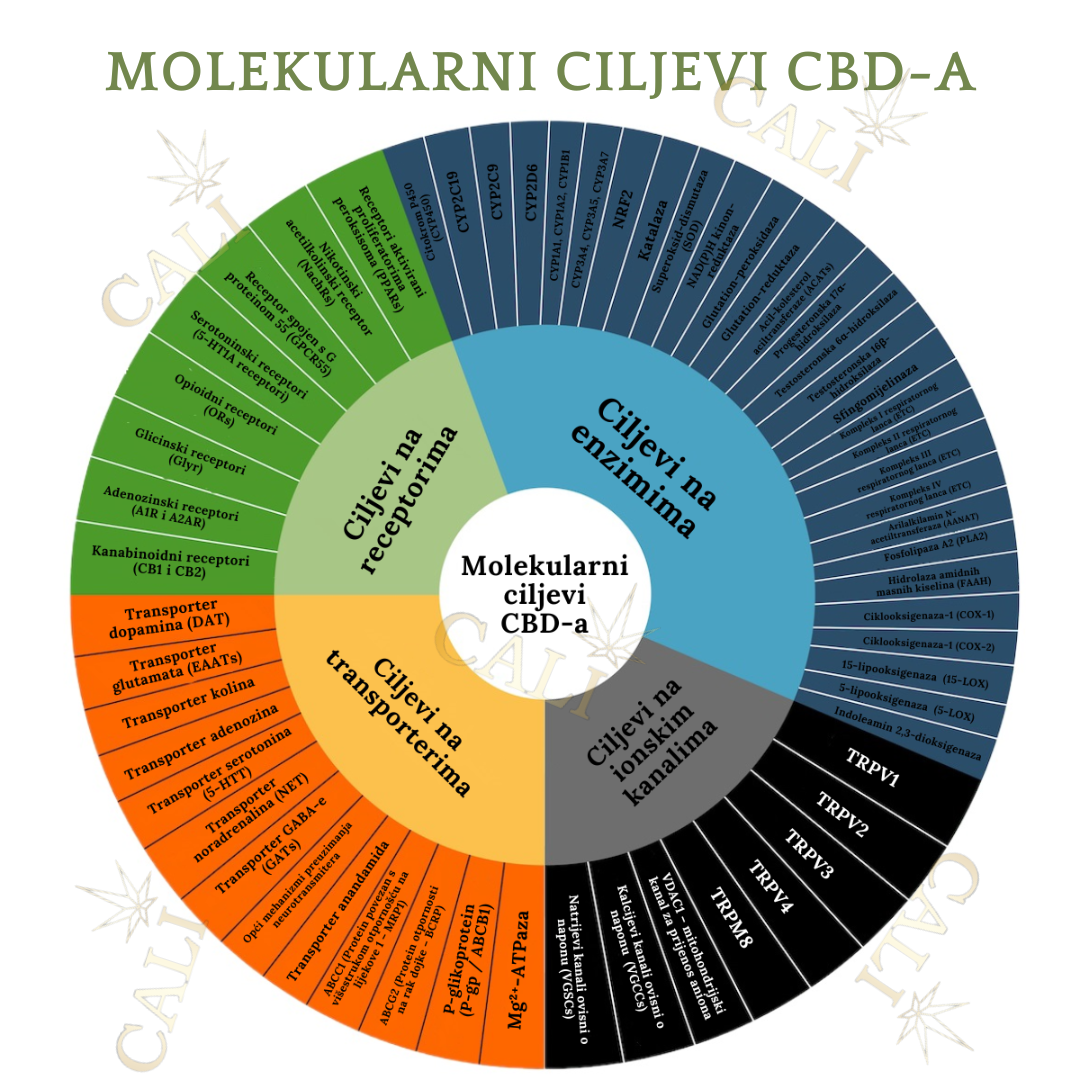
Researchers have become increasingly interested in CBD because of its interaction with the body’s endocannabinoid system (ECS) — a complex biological system involved in maintaining internal balance.
Understanding the Endocannabinoid System (ECS)
The ECS is one of the body’s most important regulatory systems.
It helps influence:
- Mood
- Stress response
- Sleep cycles
- Appetite
- Memory
- Pain signaling
- Immune function
- Recovery processes
- Emotional balance
Scientific overview of the ECS:
https://www.ncbi.nlm.nih.gov/pmc/articles/PMC3997295/
The ECS contains cannabinoid receptors known as CB1 and CB2, which are located throughout the brain, nervous system, immune system, and peripheral tissues.
CBD does not bind directly to these receptors in the same way THC does. Instead, researchers believe CBD may help support ECS balance indirectly by influencing receptor signaling and slowing the breakdown of naturally produced endocannabinoids like anandamide.
This interaction is one reason why people report such a wide variety of experiences with CBD.
Why Timing Matters With CBD Oil
CBD does not work like caffeine or energy drinks.
Instead of creating an instant stimulant effect, CBD tends to work more subtly by supporting balance within the body over time.
Because everyone’s biology is different, the “best” time to take CBD depends on:
- Your goals
- Your metabolism
- Your daily routine
- Your stress levels
- Your sleep patterns
- The type of CBD product you use
- Your dosage
Some people feel more focused when using CBD in the morning. Others feel deeply relaxed when using it in the evening.
The key is finding your personal rhythm.
Morning CBD: Calm Focus Without the Crash
Many people choose to take CBD in the morning as part of a balanced wellness routine.
Why?
Because stress often starts early.
Emails, deadlines, traffic, social pressure, overstimulation, and constant notifications can place the nervous system under pressure before the day even begins.
Some preliminary research suggests CBD may support emotional balance and mental clarity through interactions involving serotonin signaling and stress-response pathways.
Research discussing CBD and serotonin signaling:
https://www.ncbi.nlm.nih.gov/pmc/articles/PMC5938896/
Unlike caffeine, CBD typically does not create jitteriness or a rapid spike-and-crash effect.
Instead, users often describe feeling:
- More centered
- Mentally clear
- Less reactive to stress
- More emotionally balanced
- Better able to focus
Some early research has even explored the relationship between CBD and wakefulness.
Study discussing CBD and wake-related mechanisms:
https://pubmed.ncbi.nlm.nih.gov/24923339/
For professionals, entrepreneurs, students, and busy parents, morning CBD routines are becoming increasingly popular.
CBD Before Workouts and Physical Activity
Another popular time to use CBD is before or after exercise.
Intense training and physical stress may increase inflammation, muscle soreness, and recovery demands.
Research suggests cannabinoids may interact with pathways involved in inflammation and recovery processes.
Review on cannabinoids and sports recovery:
https://sportsmedicine-open.springeropen.com/articles/10.1186/s40798-022-00417-y
Athletes and active individuals commonly use CBD before workouts to support:
- Mental focus
- Pre-workout relaxation
- Recovery routines
- Post-exercise balance
Others prefer CBD after exercise as part of their evening recovery process.
Afternoon CBD: Managing the Midday Energy Crash
Almost everyone experiences the classic afternoon slump.
Energy drops. Focus disappears. Motivation declines.
Instead of reaching for another coffee, some people use low-to-moderate CBD doses to help maintain mental balance during demanding workdays.
Because chronic stress and mental fatigue often contribute to exhaustion, supporting the ECS may help the body better regulate overall balance.
This does not mean CBD acts as a stimulant.
Instead, many users describe a calmer form of productivity — clearer thinking without overstimulation.
Evening CBD: Unwinding After a Stressful Day
Evening remains the most popular time for taking CBD oil.
After a long day, many people struggle to disconnect mentally from work, stress, or overstimulation.
This is where CBD may offer support.
Studies suggest cannabinoids may influence pathways involved in relaxation, emotional regulation, and sleep-wake cycles.
Research review discussing cannabinoids and sleep:
https://www.ncbi.nlm.nih.gov/pmc/articles/PMC7388834/
Many users report that evening CBD routines help them:
- Relax mentally
- Reduce racing thoughts
- Feel calmer before bed
- Improve nighttime routines
- Support sleep quality
Importantly, CBD is not a sedative in the traditional sense. Its effects appear highly individualized.
For some people, evening CBD simply helps the body transition into a more balanced state.
Does CBD Work Better With Food?
One of the most overlooked factors in CBD effectiveness is food intake.
CBD is fat-soluble, meaning it absorbs better when consumed alongside dietary fats.
A study from the University of Minnesota found that taking CBD with food significantly increased absorption levels compared to fasting conditions.
Study discussing oral CBD absorption with food:
https://www.ncbi.nlm.nih.gov/pmc/articles/PMC5009397/
This means taking CBD after meals may improve bioavailability and overall effectiveness.
Healthy fats that may pair well with CBD include:
- Avocado
- Nuts
- Olive oil
- Yogurt
- Eggs
- Fatty fish
Consistency Is More Important Than Perfect Timing
One of the biggest misconceptions about CBD is that timing matters more than consistency.
In reality, daily use may be far more important.
The ECS functions continuously throughout the body. Supporting it regularly may help promote long-term balance more effectively than occasional use.
This is why many experienced CBD users develop routines such as:
- Morning-only use
- Evening-only use
- Split dosing morning + evening
- Post-workout routines
- Stress-response routines
Consistency allows you to better observe how your body responds over time.
Full Spectrum vs CBD Isolate: Does It Affect Timing?
Another important factor is the type of CBD product you choose.
Full Spectrum CBD
Full spectrum products contain:
- CBD
- Minor cannabinoids
- Terpenes
- Flavonoids
- Trace legal levels of THC (within EU legal limits)
Many researchers and consumers discuss the possibility of an “entourage effect,” where multiple hemp compounds may work together synergistically.
Research discussing the entourage effect:
https://www.ncbi.nlm.nih.gov/pmc/articles/PMC7324885/
Broad Spectrum CBD
Broad spectrum products contain multiple hemp compounds but remove THC completely.
CBD Isolate
CBD isolate contains purified CBD only.
Some consumers prefer full or broad spectrum extracts because they retain additional plant compounds naturally found in hemp.
How Much CBD Should You Take?
There is no universal dosage.
Ideal CBD intake depends on factors such as:
- Body weight
- Metabolism
- Lifestyle
- Stress levels
- Product strength
- Individual sensitivity
Many beginners start with lower doses and gradually increase over time while monitoring how they feel.
The most common recommendation is:
Start low and increase slowly.
Is CBD Safe?
Current research suggests CBD generally has a favorable safety profile.
However, CBD may interact with certain medications.
Possible side effects may include:
- Dry mouth
- Drowsiness
- Digestive discomfort
- Changes in appetite
Consumers should always choose:
- Third-party lab tested products
- Transparent brands
- EU-compliant products
- Clearly labeled cannabinoid conten
Final Thoughts: Finding Your Ideal CBD Routine
The best time to take CBD oil ultimately depends on your goals and your body.
Some people thrive with morning CBD routines that support focus and emotional balance.
Others prefer evening use to unwind and support recovery after stressful days.
For many, the real secret is not timing alone — but consistency.
CBD appears to work best when incorporated into a structured wellness lifestyle that includes:
- Healthy sleep habits
- Stress management
- Exercise
- Balanced nutrition
- Recovery routines
- Emotional self-care
The most effective approach is to experiment patiently, listen to your body, and build a routine that genuinely supports your long-term wellbeing.
Important Disclaimer
This article is intended for educational and informational purposes only.
CBD products are not intended to diagnose, treat, cure, or prevent any disease.
Always consult a qualified healthcare professional before using cannabinoid-based products, especially if you are pregnant, nursing, taking medication, or managing a medical condition.
Scientific References
- WHO Critical Review Report on CBD
https://www.who.int/publications/m/item/cannabidiol-(cbd)-critical-review-report - Endocannabinoid system overview
https://www.ncbi.nlm.nih.gov/pmc/articles/PMC3997295/ - CBD and serotonin receptor interactions
https://www.ncbi.nlm.nih.gov/pmc/articles/PMC5938896/ - CBD and wakefulness mechanisms
https://pubmed.ncbi.nlm.nih.gov/24923339/ - Cannabinoids and sports recovery
https://sportsmedicine-open.springeropen.com/articles/10.1186/s40798-022-00417-y - Cannabinoids and sleep review
https://www.ncbi.nlm.nih.gov/pmc/articles/PMC7388834/ - CBD absorption and food study
https://www.ncbi.nlm.nih.gov/pmc/articles/PMC5009397/ - Entourage effect research
https://www.ncbi.nlm.nih.gov/pmc/articles/PMC7324885/