One of the most common questions people ask when starting their CBD journey is:
“How much CBD should I take?”
The answer is not always straightforward.
Like many plant-based wellness supplements, CBD is highly individual. The ideal dosage can vary depending on your body chemistry, lifestyle, metabolism, wellness goals, product type, and even the time of day you take it.
The good news?
Research and real-world consumer experience suggest that finding your optimal CBD dosage is usually a gradual and simple process once you understand the key factors involved.
In this guide, we’ll explain how CBD works in the body, what influences CBD dosage, how to start safely, and why product quality and bioavailability matter more than most people realize.
What Is CBD?
Cannabidiol (CBD) is a naturally occurring compound found in the hemp plant (Cannabis sativa). Unlike THC, CBD is non-intoxicating, meaning it does not produce the “high” associated with cannabis.
CBD has gained enormous popularity throughout Europe and worldwide because of its potential to support general wellness and balance without psychoactive effects.
Researchers continue to study CBD for its interaction with the body’s endocannabinoid system (ECS), a biological network involved in maintaining internal balance, also known as homeostasis.
Scientific overview of the endocannabinoid system:
https://www.ncbi.nlm.nih.gov/pmc/articles/PMC5877694/
How Does CBD Work in the Body?
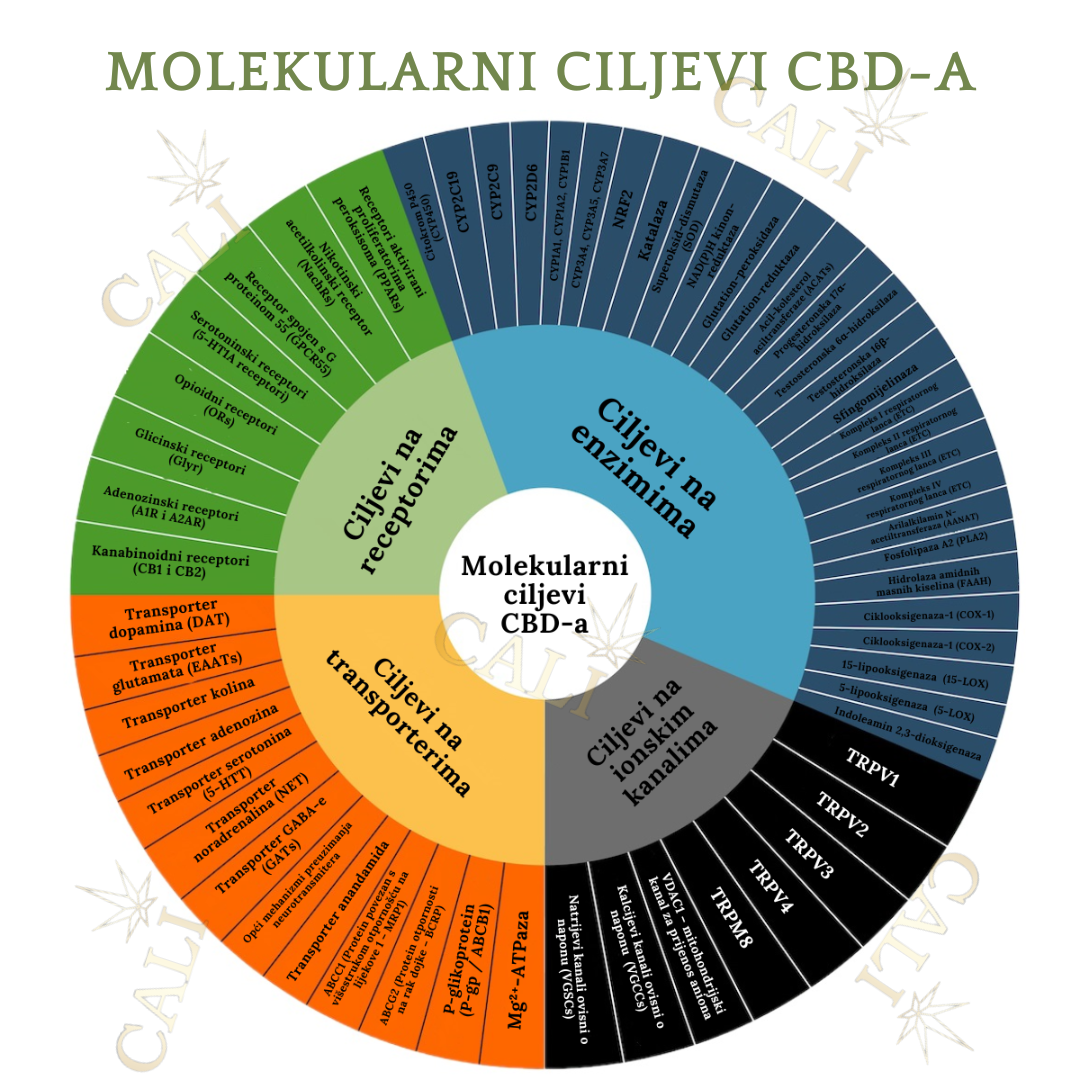
CBD interacts indirectly with the endocannabinoid system, which plays a role in many important physiological processes, including:
- Sleep regulation
- Mood balance
- Stress response
- Recovery
- Appetite
- Immune function
- Cognitive performance
- Pain signaling
Rather than “forcing” the body into one specific reaction, CBD appears to support balance within existing biological systems.
This is one reason why different people may experience CBD differently.
Some consumers report feeling calmer and more balanced, while others notice support with focus, sleep quality, post-workout recovery, or overall wellness routines.
Research exploring CBD and anxiety-related outcomes:
https://www.thepermanentejournal.org/doi/10.7812/TPP/18-041
Review discussing CBD and neuroprotective properties:
https://www.ncbi.nlm.nih.gov/pmc/articles/PMC7023045/
Why There Is No “Perfect” CBD Dose
CBD is not an exact science.
The ideal amount varies from person to person because everybody processes cannabinoids differently.
Two people with the same weight may respond very differently to the exact same CBD product and dosage.
Factors that may influence your ideal dosage include:
- Body weight
- Metabolism
- Individual body chemistry
- Product concentration
- Delivery method
- Frequency of use
- Wellness goals
- Sensitivity to cannabinoids
This is why experienced users and wellness professionals often recommend the same principle:
Start low and increase gradually.
General CBD Dosage Guidelines
Most people begin with a low daily serving and slowly adjust over time based on personal experience.
A common beginner approach is:
- Start with 10–20 mg per day
- Maintain consistency for several days
- Gradually increase if needed
Some experienced users consume significantly more, while others achieve desired effects with very small amounts.
The key is consistency and observation.
What Are You Taking CBD For?
Your wellness goal is one of the biggest factors in determining dosage.
People use CBD products for many different reasons, including:
- Supporting relaxation and emotional balance
- Managing everyday stress
- Supporting healthy sleep routines
- Recovery after physical activity
- Supporting focus and productivity
- General wellness and balance
- Skin wellness
- Supporting an active lifestyle
Different goals may require different serving sizes and delivery methods.
For example:
- Lower servings are often preferred for daytime focus and balance
- Higher servings are sometimes used in evening wellness routines
Because everyone responds differently, experimentation is important.
The Importance of Bioavailability
One of the most overlooked aspects of CBD dosing is bioavailability.
Bioavailability refers to how much CBD actually reaches the bloodstream and becomes available for use by the body.
Not all CBD products absorb equally.
This means that two products containing the same amount of CBD may produce very different experiences.
CBD Product Types and Bioavailability
Traditional CBD Oil
Traditional CBD oils are commonly taken sublingually (under the tongue).
While effective for many people, oil-based CBD products may have lower absorption rates because cannabinoids are naturally fat-soluble.
Estimated bioavailability:
- Approximately 6–12%
Water-Soluble CBD
Water-soluble CBD products are designed to improve absorption by dispersing cannabinoids into much smaller particles.
This may allow the body to absorb CBD more efficiently.
Because of this increased bioavailability, many users report that lower amounts are needed compared to traditional oil-based products.
Research discussing cannabinoid delivery systems and absorption:
https://www.ncbi.nlm.nih.gov/pmc/articles/PMC6222489/
Vaping CBD
Inhaled CBD products may offer faster absorption because cannabinoids enter the bloodstream through the lungs.
However, not all consumers prefer vaping products.
Estimated bioavailability:
- Up to approximately 50%
What Is the Entourage Effect?
One of the most important concepts in modern cannabinoid science is the entourage effect.
The entourage effect describes the synergistic interaction between cannabinoids, terpenes, flavonoids, and other naturally occurring hemp compounds.
Instead of working alone, these compounds may complement each other.
This is why many consumers prefer:
- Full-Spectrum CBD
- Broad-Spectrum CBD
over pure CBD isolate products.
Scientific discussion of the entourage effect:
https://www.ncbi.nlm.nih.gov/pmc/articles/PMC6334252/
Additional overview:
https://www.fundacion-canna.es/en/cannabis-and-entourage-effect
Does Tolerance to CBD Exist?
Some long-term users report that CBD products may feel less noticeable over time.
This is often referred to as “CBD tolerance.”
In some cases, users choose to:
- temporarily reduce dosage
- take short breaks
- switch product formats
- adjust serving timing
However, experiences vary widely between individuals.
When Should You Take CBD?
Timing can also influence your CBD experience.
Morning Use
Some people prefer taking CBD:
- before work
- before studying
- before stressful situations
They report feeling more balanced and focused throughout the day.
Evening Use
Others prefer taking CBD:
- after work
- before bed
- during nighttime relaxation routines
CBD is frequently included in sleep-support wellness routines because many users find it calming.
Research related to CBD and sleep:
https://www.ncbi.nlm.nih.gov/pmc/articles/PMC6326553/
Consistency Matters More Than Timing
One of the biggest mistakes beginners make is expecting immediate results after one serving.
CBD often works best when used consistently over time.
Many experienced users report that:
- daily use
- routine timing
- gradual dosage adjustments
provide the best long-term experience.
Think of CBD as part of a wellness routine rather than a quick fix.
Can You Take Too Much CBD?
Current research suggests CBD has a relatively favorable safety profile.
A review published in Current Drug Safety found that CBD was generally well tolerated even at high amounts in research settings.
Research reference:
https://pubmed.ncbi.nlm.nih.gov/22129319/
However, taking more CBD does not necessarily mean better results.
In many cases, finding your “sweet spot” is more important than simply increasing dosage.
Some people may experience mild side effects such as:
- drowsiness
- digestive discomfort
- dry mouth
If you are taking medications or have a medical condition, consult a qualified healthcare professional before using CBD products.
Practical Tips for Finding Your Ideal CBD Dose
1. Start Low
Begin with a smaller serving.
2. Stay Consistent
Take CBD daily for at least 1–2 weeks before making major adjustments.
3. Track Your Experience
Monitor:
- mood
- sleep quality
- recovery
- stress levels
- focus
4. Increase Gradually
Slowly adjust dosage if needed.
5. Choose High-Quality Products
Always look for:
- third-party lab testing
- Certificates of Analysis (COAs)
- transparent ingredient lists
Final Thoughts
Finding the right CBD dosage is a personal journey.
There is no universal formula that works for everyone.
Your body, lifestyle, wellness goals, and the type of CBD product you choose all play a role in shaping your experience.
The most effective approach is usually:
- choosing a high-quality product
- starting with a low serving
- remaining consistent
- adjusting gradually over time
As research into cannabinoids continues to grow, consumers are becoming more informed than ever about how CBD may support overall wellness and balance.
Whether you’re new to CBD or refining your current routine, patience and consistency are often the key to achieving the best results.
Scientific References & Research
- Endocannabinoid System Overview
https://www.ncbi.nlm.nih.gov/pmc/articles/PMC5877694/ - Cannabidiol in Anxiety and Sleep
https://www.thepermanentejournal.org/doi/10.7812/TPP/18-041 - Therapeutic Potential of Cannabidiol
https://www.ncbi.nlm.nih.gov/pmc/articles/PMC7023045/ - CBD Safety and Side Effects
https://pubmed.ncbi.nlm.nih.gov/22129319/ - Cannabinoid Delivery and Bioavailability
https://www.ncbi.nlm.nih.gov/pmc/articles/PMC6222489/ - Entourage Effect Review
https://www.ncbi.nlm.nih.gov/pmc/articles/PMC6334252/ - Cannabis and the Entourage Effect
https://www.fundacion-canna.es/en/cannabis-and-entourage-effect - CBD and Sleep Research
https://www.ncbi.nlm.nih.gov/pmc/articles/PMC6326553/ - CBD Antioxidant Properties
https://www.mdpi.com/2076-3921/9/1/21 - Cannabidiol and Neuroprotection
https://www.ncbi.nlm.nih.gov/pmc/articles/PMC5569602/